How To Read Tyre Labels Before Visiting A Tyre Shop Near Me
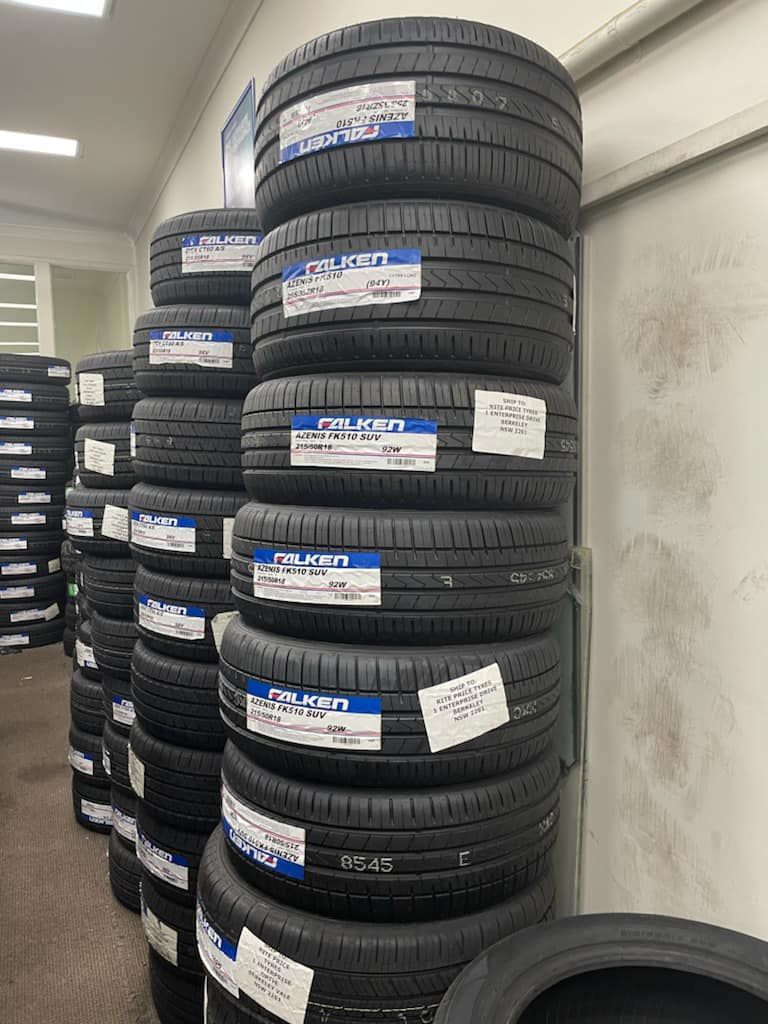
You are standing beside your car, looking at the sidewall of your tyre, and all you see is a string of numbers and letters. It might read something like 205/55R16 91V. At first glance, it seems technical and confusing. Yet understanding these markings before shopping for tyres on the Central Coast can make the entire buying process smoother, faster and more informed.
Tyre labels are not random codes. They provide essential information about size, load capacity and performance capabilities. When drivers understand what those markings mean, they can communicate clearly with tyre specialists and choose products that suit their vehicle and driving conditions.
What Those Numbers on Your Tyre Sidewall Actually Mean
A standard tyre marking such as 205/55R16 91V tells you nearly everything about that tyre’s specifications. Each segment has a specific purpose.
For example:
- 205 refers to tyre width in millimetres
- 55 is the aspect ratio, indicating the sidewall height as a percentage of width
- R means radial construction
- 16 is the rim diameter in inches
- 91 is the load index
- V represents the speed rating
Knowing how to interpret these figures helps ensure you select tyres that match your manufacturer’s requirements. When shopping for tyres on the Central Coast, this knowledge reduces confusion and supports more accurate recommendations from your tyre professional.
Why Tyre Width & Aspect Ratio Matter More Than You Think
Tyre width and aspect ratio directly influence how your car handles on the road. A wider tyre may provide improved grip, while the aspect ratio affects ride comfort and responsiveness.
These factors influence everyday driving in several ways:
- Wider tyres can increase road contact & braking performance
- Lower aspect ratios typically improve cornering stability
- Higher aspect ratios often provide greater ride comfort
- Tyre dimensions affect fuel efficiency
Understanding these measurements helps drivers make balanced decisions between performance and comfort. When discussing options at a tyre shop, knowing your existing width and profile makes it easier to assess alternatives that still meet safety and compliance standards.
Understanding Rim Size Before You Visit a Tyre Shop
Rim diameter must align precisely with your vehicle’s wheel size. Installing tyres that do not match the correct rim diameter can compromise safety, handling and overall performance. Even small discrepancies can affect how the tyre sits on the rim, which may lead to uneven wear or reduced stability at higher speeds. That is why checking your current rim measurement before visiting a tyre shop is essential.
Key considerations include:
- Matching factory specifications
- Maintaining correct speedometer readings
- Ensuring suspension compatibility
- Avoiding clearance issues
Changing rim size without understanding its impact can influence braking distance, steering response and ride comfort. By confirming your rim measurement before purchasing new tyres, you minimise the risk of ordering incorrect products and ensure a smoother, more efficient fitting process.
Load Index & Speed Rating Explained Simply
Load index and speed rating are often overlooked, yet they play an important role in safety. The load index indicates how much weight each tyre can safely carry, while the speed rating shows the maximum speed capability under load.
These ratings are critical for:
- Carrying passengers & cargo safely
- Highway driving stability
- Vehicles used for towing
- Compliance with manufacturer guidelines
Selecting tyres with lower ratings than recommended may affect vehicle safety and insurance considerations. When reviewing tyres on the Central Coast, always compare these figures against your vehicle’s placard to ensure compatibility.
Tyre Manufacturing Date Codes & Why They Matter
Every tyre includes a manufacturing date code, usually found near the DOT marking. The final four digits indicate the week and year of manufacture. For example, 2423 means the tyre was produced in the 24th week of 2023.
Understanding date codes matters because:
- Rubber compounds deteriorate over time
- Storage conditions affect longevity
- Older tyres may lose flexibility
- Age can impact braking performance
Even if tread appears adequate, ageing tyres may not perform as intended. Checking the date code helps you confirm you are investing in current stock that meets safety expectations.
Matching Tyre Labels to Your Driving Conditions on the Central Coast
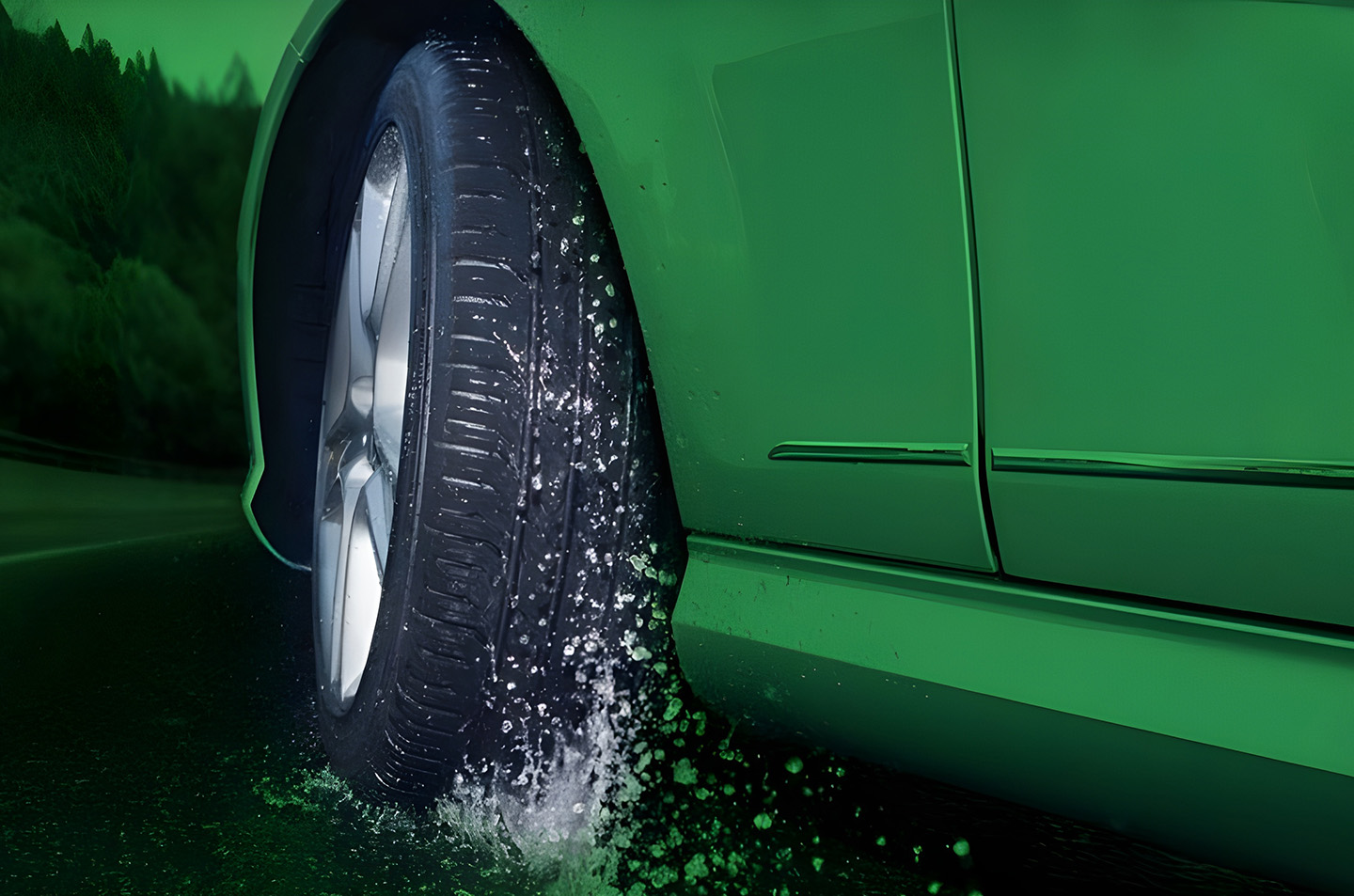
Driving conditions vary, and tyre choice should reflect those conditions. Coastal humidity, frequent rain and a mix of suburban and highway travel all influence tyre performance.
Factors to consider include:
- Wet road grip for rainy days
- Durability for highway commuting
- Tread patterns suited to local conditions
- Heat tolerance during warmer months
When drivers understand their tyre specifications, they can discuss suitable options confidently. This ensures tyres on the Central Coast align with both vehicle requirements and local driving patterns.
How Knowing Your Tyre Information Saves Time & Money
Arriving at a tyre shop informed makes the process more efficient. Rather than relying solely on guesswork, you can provide accurate details from your current tyre.
Being prepared helps with:
- Faster quoting & availability checks
- Reducing the risk of incorrect purchases
- Clearer communication with tyre specialists
- Avoiding unnecessary upsizing or changes
Informed decisions reduce the chance of mismatched tyres and repeated visits. Understanding your tyre label means fewer delays and smoother service from selection to installation.
Getting Expert Advice After Reading Your Tyre Label
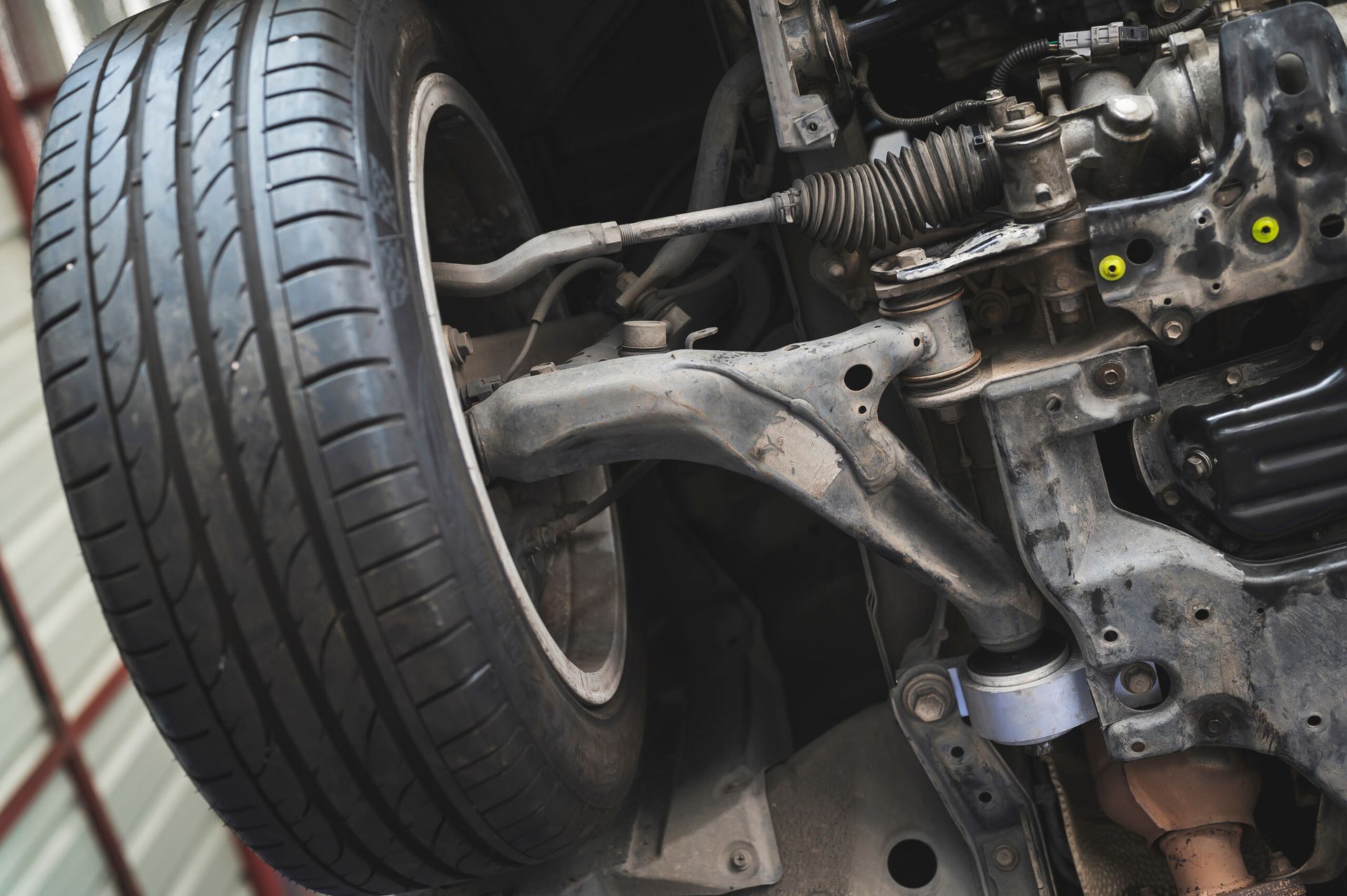
While reading tyre markings is valuable, professional advice remains important. Tyre specialists assess tread wear, suspension alignment and overall condition before recommending replacements.
A comprehensive tyre service may include:
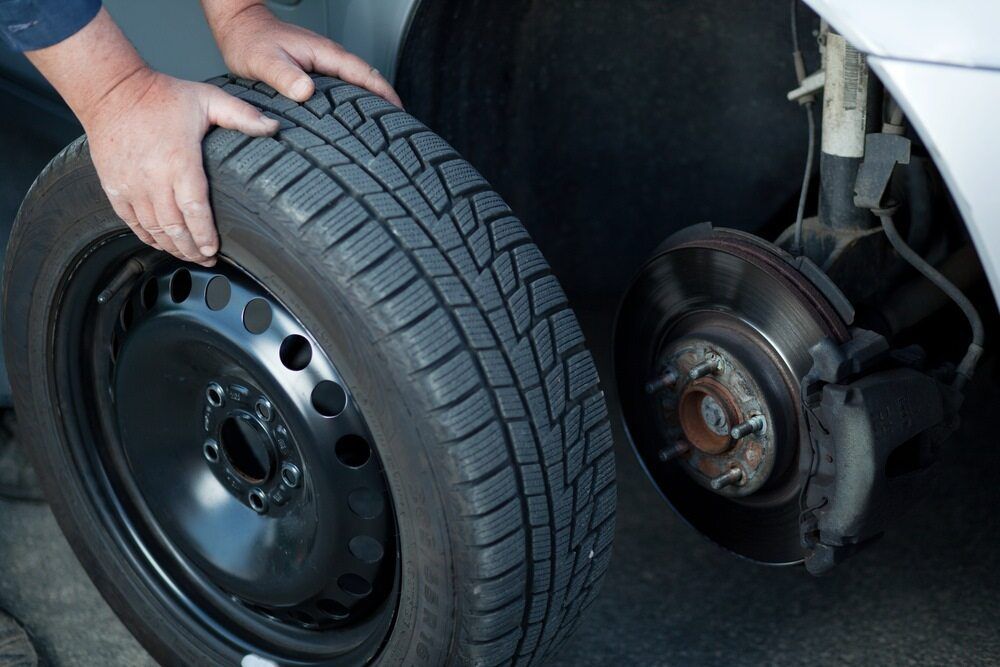
- Professional tyre fitting
- Wheel balancing
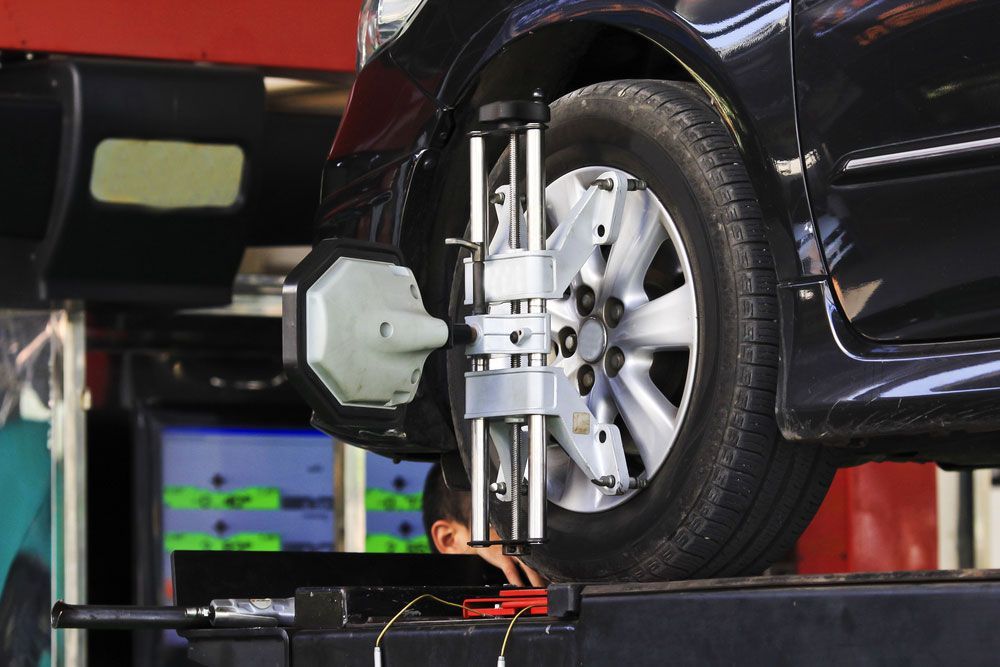
- Wheel alignment
- Safety inspections
Combining label knowledge with professional assessment ensures tyres are installed correctly and perform as intended. Proper fitting and alignment contribute to even wear and long-term reliability.
Make Confident Tyre Choices
Understanding the numbers and letters on your tyre sidewall gives you greater control over your purchasing decisions. It allows you to ask informed questions, compare products accurately and ensure compliance with your vehicle’s specifications.
At Rite Price Tyres, we help drivers select and fit suitable tyres on the Central Coast with professional guidance, fitting, balancing and alignment services. If you are ready to replace your tyres or simply want expert advice, contact us today to book an inspection and discuss the right option for your vehicle.