New Vs Second Hand Tyres: Which Is Right For You?
Replacing tyres is rarely a decision anyone looks forward to, especially when the cost catches you off guard. Whether your tread is worn down, you've picked up a sidewall bubble or your vehicle has simply clocked up the kilometres, the question most drivers face isn't just which tyre to buy — it's whether to go new or second hand. For many drivers, quality second hand tyres Central Coast buyers rely on are a genuinely smart and safe option, provided you know what to look for. This guide breaks down both sides of the decision honestly, covering what matters when assessing a used tyre, when new is non-negotiable and what separates trustworthy second-hand stock from a tyre you should leave on the rack.
What "Second Hand" Actually Means in the Tyre Industry
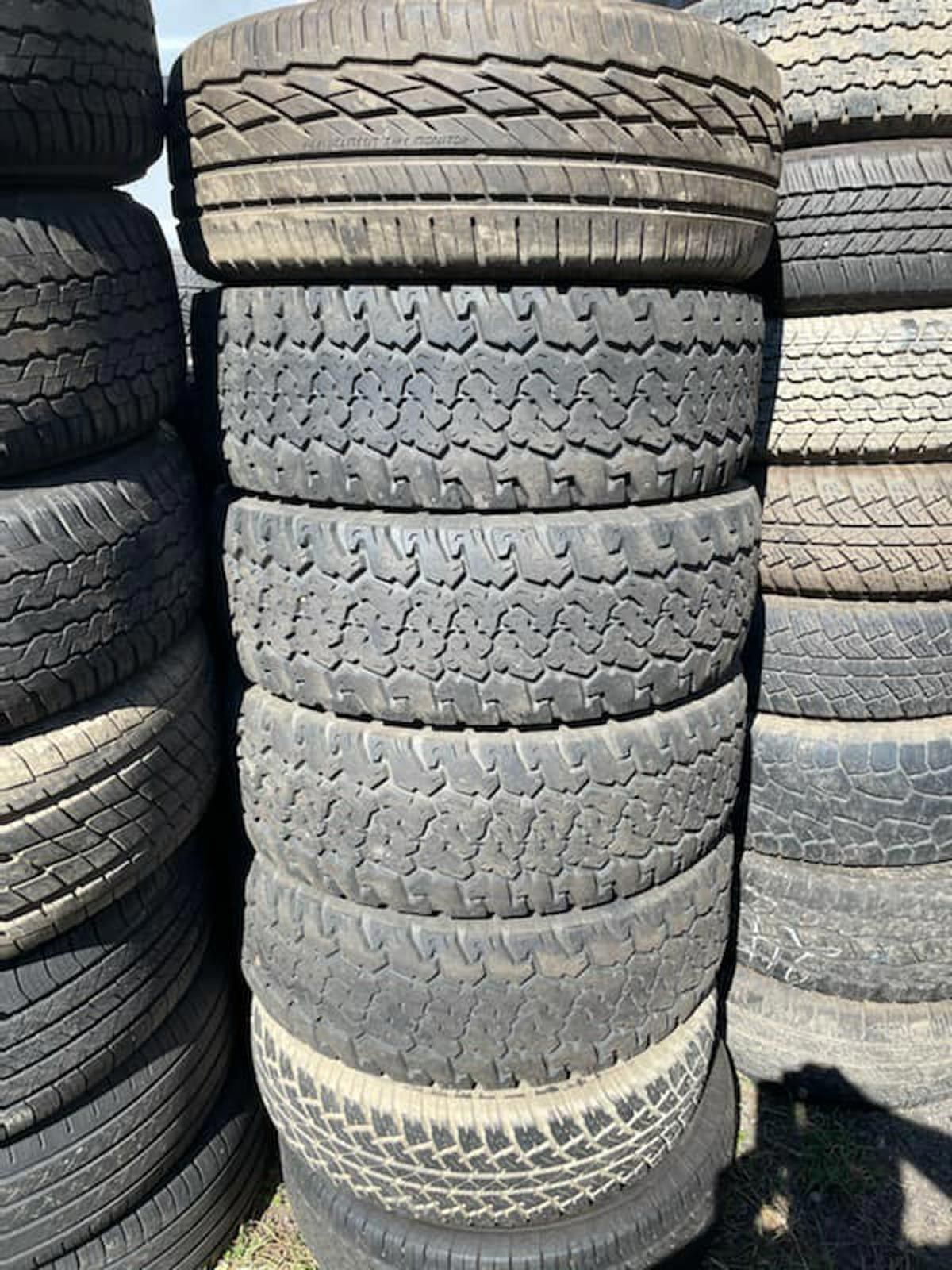
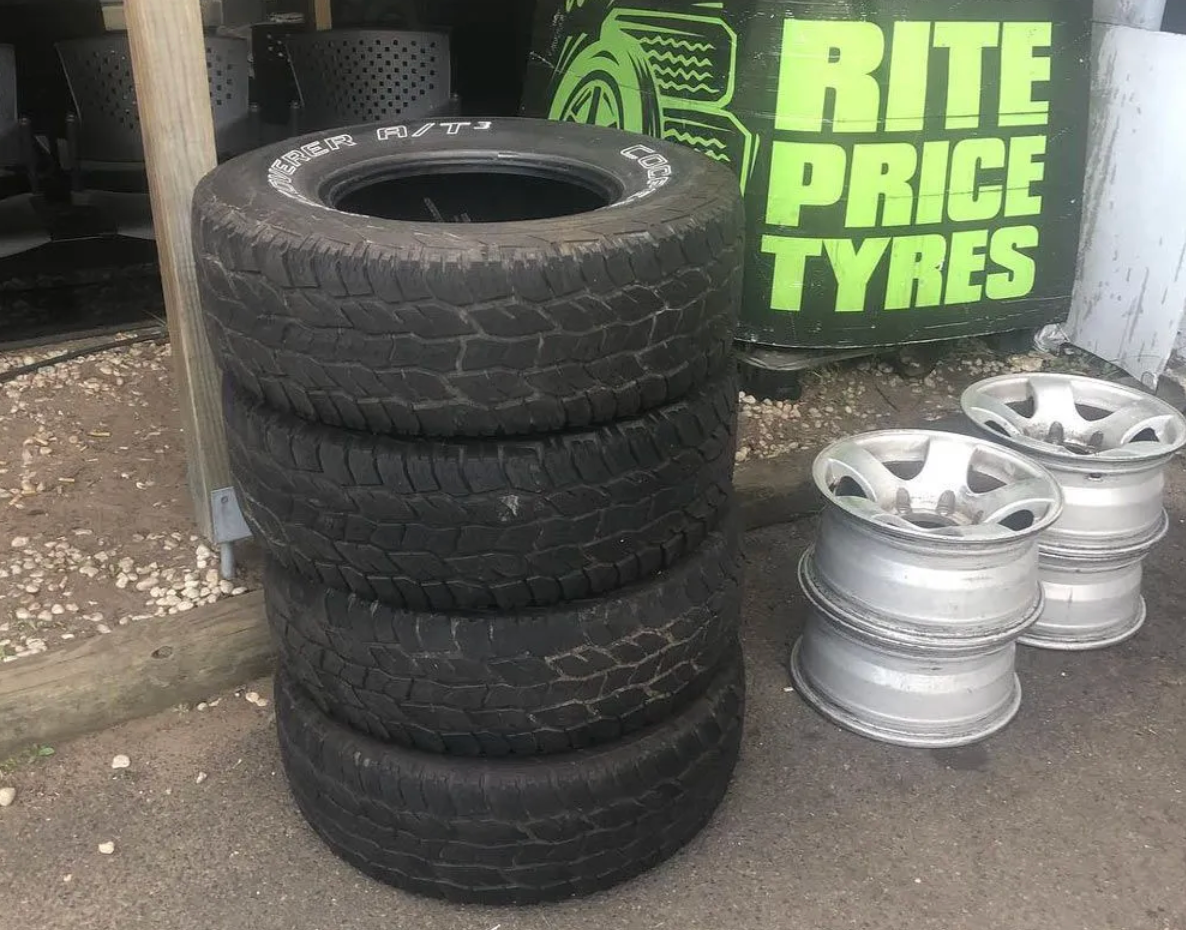
Not all used tyres are equal, and the term "second hand" covers a wide spectrum. Some come from low-kilometre vehicles sold or written off early; others have done considerable work and show it.
Understanding where a used tyre sits on that spectrum matters more than the label.
A few things to consider upfront:
- Second-hand tyres may come from insurance write-offs, fleet vehicle replacements or early trade-ins
- Condition varies significantly depending on the previous vehicle's use and maintenance history
- Reputable sellers assess stock before offering it for sale, rather than passing on the vetting to the buyer
- Price alone should never be the primary deciding factor when buying used
How to Read a Tyre's Age Using DOT Date Codes
Every tyre sold in Australia carries a DOT code moulded into the sidewall. The last four digits tell you the week and year of manufacture — for example, "2319" means the 23rd week of 2019.
This matters because rubber degrades over time, even when a tyre looks fine on the outside. Before buying used, it pays to know the signs you need new tyres — so you can apply the same checks to any second-hand set.
Industry guidance generally suggests:
- Tyres older than five years warrant careful inspection regardless of tread depth
- Tyres beyond ten years should be replaced outright, even if they appear serviceable
- A tyre with a recent DOT date but heavy tread wear is still worth rejecting
- UV exposure and heat cycles accelerate degradation, particularly in warmer climates
Tread Depth: The Number That Determines Roadworthiness
In Australia, the legal minimum tread depth is 1.5mm across the full width of the tyre. In practice, anything under 2mm on a used tyre narrows your safety margin considerably.
Tread depth is the most straightforward metric to check, but it needs to be assessed across the whole tyre, not just the centre.
Here's what to look at:
- Use a tread depth gauge rather than relying on visual estimation
- Uneven wear across the tyre width can indicate previous alignment or inflation issues
- Wear bars, moulded into the tread grooves, become flush with the surface at 1.6mm
- Centre wear suggests the tyre was consistently over-inflated; edge wear points to under-inflation
Sidewall Condition: What the Rubber Tells You
The sidewall does a lot of structural work. It flexes with every rotation, absorbs kerb impacts and holds the tyre's shape under load. Damage here often disqualifies a tyre entirely, regardless of how much tread remains.
Sidewall issues can be subtle, so it's worth taking your time when inspecting a used tyre.
Red flags include:
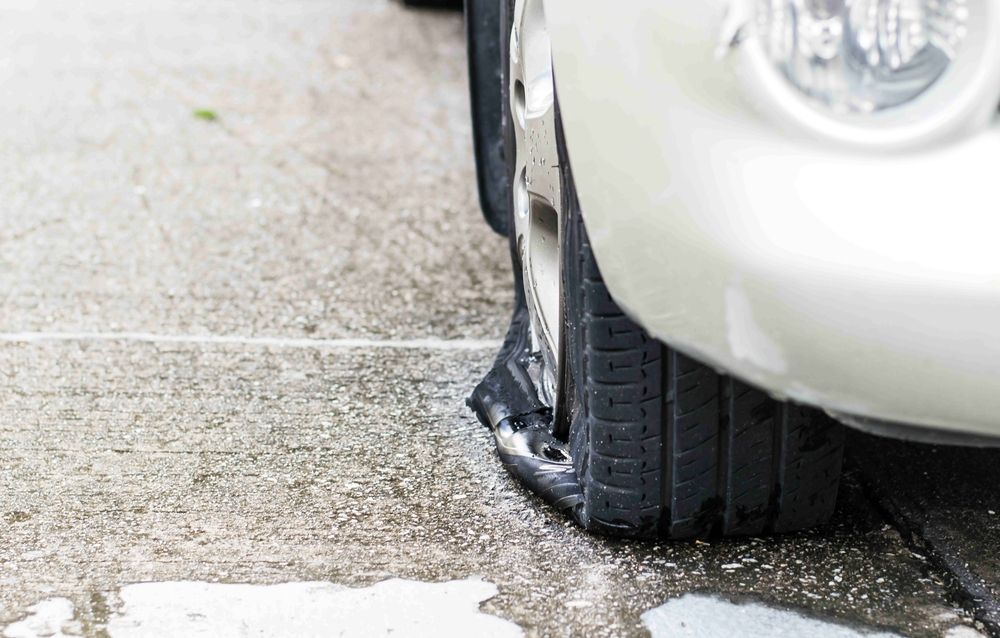
- Bulges or bubbles, which indicate internal structural failure
- Cracking or crazing of the rubber, especially in the bead area
- Deep cuts, gouges or scrapes that penetrate more than the outer layer
- Any previous repair attempt to the sidewall, which is not considered safe practice in the industry
When Second-Hand Tyres Are a Smart and Safe Choice
Used tyres aren't the right answer for every situation, but there are clear scenarios where they make practical sense. The key is matching the tyre's condition and remaining life to your actual needs.
For budget-conscious drivers, our range of second hand tyres Central Coast buyers trust are individually assessed for tread depth and structural integrity before going on sale.
Situations where second-hand makes sense:
- Short-term or transitional vehicles — a car being sold in a few months doesn't need brand-new rubber
- Budget constraints where a safe, roadworthy used tyre is the realistic option
- Spare tyres and temporary replacements that won't see regular use
- Second vehicles with low annual mileage that don't justify the cost of a full new set
When New Tyres Are the Only Sensible Option
There are circumstances where second-hand stock should be taken off the table entirely. Safety-critical situations call for the known performance and remaining service life that only a new tyre can guarantee. New tyres Central Coast drivers should prioritise in these situations:
- Primary family vehicles or those regularly carrying passengers, particularly children
- Long-distance highway driving where consistent grip and heat management are essential
- Performance or high-load vehicles where the tyre's structural rating is critical
- Any vehicle where a pre-purchase inspection reveals existing wear patterns that suggest underlying mechanical issues needing new tyres to reset properly
Used vs New: The Real Cost Comparison
The upfront saving on second-hand tyres is real, but so is the shorter remaining service life. A used tyre with 4mm of tread will reach the replacement threshold sooner than a new tyre starting at 8mm, which changes the effective cost-per-kilometre calculation.
The comparison isn't always as straightforward as the sticker price suggests. Factors that affect the total value equation:
- Remaining tread depth divided by expected annual kilometres gives a rough service life estimate
- New tyres often come with manufacturer warranties that used stock cannot match
- If you're looking for cheap tyres on the Central Coast without compromising on safety, our team can walk you through our current second-hand stock in person
- Fitting costs apply to both options, so factor that into the total price comparison
What Makes Second-Hand Stock Trustworthy
The difference between a reliable used tyre and a liability comes down almost entirely to how it was sourced and assessed before going on sale. Not every seller has a consistent process for evaluating stock, which is why the source matters.
Trustworthy second-hand tyre stock shares a few common characteristics:
- Each tyre is inspected individually for tread depth, sidewall integrity and DOT date
- Stock with visible damage, excessive wear or age beyond industry guidance is removed before sale
- The seller can answer specific questions about a tyre's condition without deflecting
- Fitting is carried out by trained technicians using proper balancing equipment, not just a quick swap
Get Honest Tyre Advice from Rite Price Tyres
We at
Rite Price Tyres are here to help Central Coast drivers make the right call, whether that's a quality second-hand set or a brand-new tyre that fits their budget. We've been in the business for over 30 years, and our approach has always been straightforward: give people accurate information so they can make a confident decision, not one they'll second-guess. If you're not sure which direction suits your vehicle, your budget and how you drive, we're happy to take a look and give you an honest assessment. Unsure which option suits your budget and driving needs?
Book an inspection and we'll give you an honest recommendation. You can also browse our current
tyres Central Coast drivers rely on, or drop into our Berkeley Vale workshop during business hours.