How Long Do Tyres Last? A Guide For Central Coast Drivers
Most drivers only think about their tyres when something feels wrong. A slight vibration on the M1, a longer braking distance in the wet, or a warning light that appears out of nowhere. Yet tyres are one of the few parts of your car that wear down gradually, often without any obvious sign until they're well past their best. Understanding how long do tyres last can help you plan ahead, budget for replacements and stay safe on the road, whether you're driving around Terrigal, commuting to Gosford or towing a trailer up to the hinterland.
This guide breaks down the practical factors that affect tyre lifespan, what to look for when checking your tread and how local conditions on the Central Coast can speed up wear.
How Long Do Tyres Last? The Short Answer
On average, most passenger car tyres last between 40,000 and 80,000 kilometres, or roughly five to ten years, whichever comes first. The exact figure depends on the tyre brand, vehicle type, driving style and road conditions.
- Budget tyres often wear faster but cost less upfront
- Premium tyres tend to last longer but come with a higher purchase price
- SUVs and 4WDs generally wear tyres quicker due to extra weight and torque
There's no single number that applies to every vehicle. A tyre that lasts 70,000 kilometres on a small hatchback driven gently on sealed roads might only manage half that on a loaded ute doing regular beach or dirt track runs.
Kilometres vs Years: Which One Actually Matters?
Both distance and age matter, and it's worth tracking each separately rather than relying on one figure alone.
- Kilometres reflect physical wear from friction, braking and cornering
- Years reflect how the rubber compound has aged, even with light use
- A tyre with plenty of tread left can still be unsafe if it's old and the rubber has hardened or cracked
A car that's rarely driven might still need new tyres well before the tread wears down, simply because the rubber has deteriorated with age. This is one of the more overlooked aspects of tyre maintenance, particularly for second cars or vehicles that sit idle for long stretches.
Australian Legal Tread Depth Limits Explained
In Australia, the legal minimum tyre tread depth is 1.5mm across the central three-quarters of the tyre. Falling below this limit isn't just a safety risk, it can also result in a fine if picked up during a roadside check or vehicle inspection.
- Use a tread depth gauge or the simple coin test to check your tyres at home
- Check tread depth at multiple points around the tyre, not just one spot
- Uneven wear across the tread can point to alignment or suspension issues
Tread depth affects your car's grip, particularly in wet conditions common on the Central Coast during storm season. As tread wears down, water can't be channelled away from the contact patch as effectively, which increases the risk of aquaplaning.
Do Tyres Expire? How to Read the Date Code on Your Sidewall
Tyres do have a practical lifespan even if they've never touched a road. Every tyre carries a DOT code on the sidewall, a four-digit number where the first two digits indicate the week of manufacture and the last two indicate the year.
- A code reading "2319" means the tyre was made in week 23 of 2019
- Most manufacturers recommend replacing tyres after 6 to 10 years, regardless of tread remaining
- Spare tyres and rarely used vehicles should still have their date checked periodically
If you're buying second-hand tyres or a used vehicle, checking this code is a straightforward way to understand what you're actually getting, rather than relying on how the tread looks at a glance.
How Central Coast Conditions Affect Tyre Life (Salt Air, Beach Access, Heat)
Local driving conditions play a bigger role in tyre wear than many drivers realise. The Central Coast presents a mix of factors that can shorten tyre lifespan compared to inland or metro driving.
- Salt air from coastal areas can accelerate the breakdown of rubber compounds over time
- Regular beach access, including sand and shell grit, increases wear on sidewalls and tread
- Warmer months bring sustained heat, which speeds up rubber ageing and pressure fluctuations
- Stop-start traffic on routes like the Pacific Highway adds extra wear from braking and acceleration
None of these conditions are unusual for the region, but together they mean tyres here can wear a little faster than the national average, particularly for vehicles regularly driven near the coast.
What Shortens Tyre Life: Pressure, Alignment, Load and Driving Habits
Beyond the environment, how a vehicle is driven and maintained has a direct impact on tyre lifespan. Some of the most common causes of premature wear are avoidable with a bit of routine attention.
- Under-inflated tyres wear unevenly on the outer edges and use more fuel
- Over-inflated tyres wear faster in the centre of the tread
- Poor wheel alignment causes uneven wear patterns, often on one side of the tyre
- Carrying heavy loads regularly, such as towing or roof racks, adds strain to sidewalls
- Harsh braking and fast cornering wear down tread more quickly than steady driving
A quick pressure check once a month, ideally when tyres are cold, can make a noticeable difference over the life of a set.
How to Get More Kilometres Out of Your Tyres
Extending tyre life doesn't require major changes, just consistent basic maintenance.
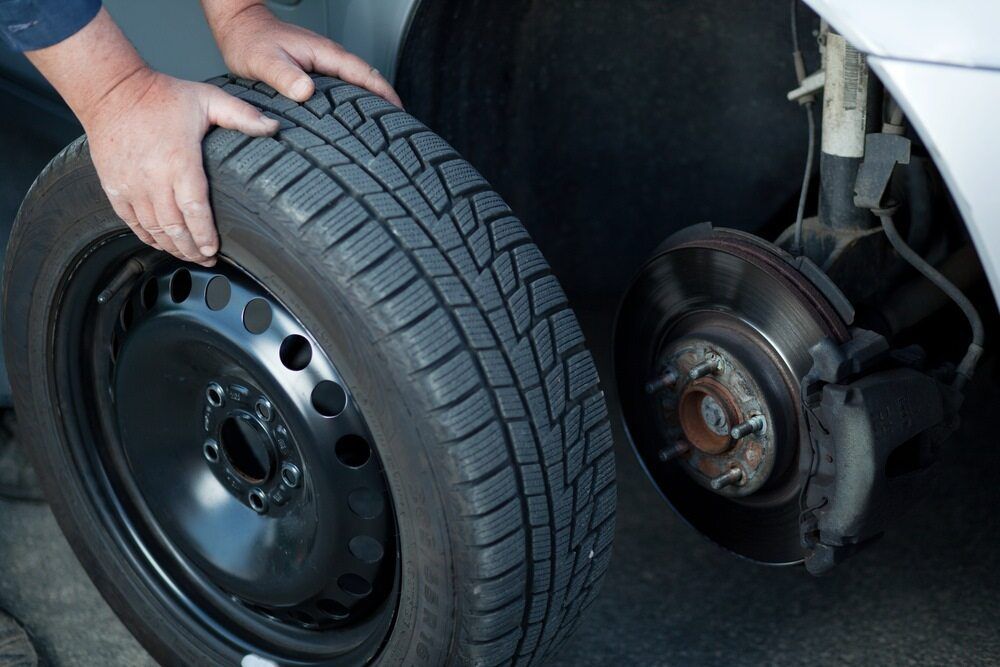
- Rotate tyres every 10,000 kilometres to even out wear across the set
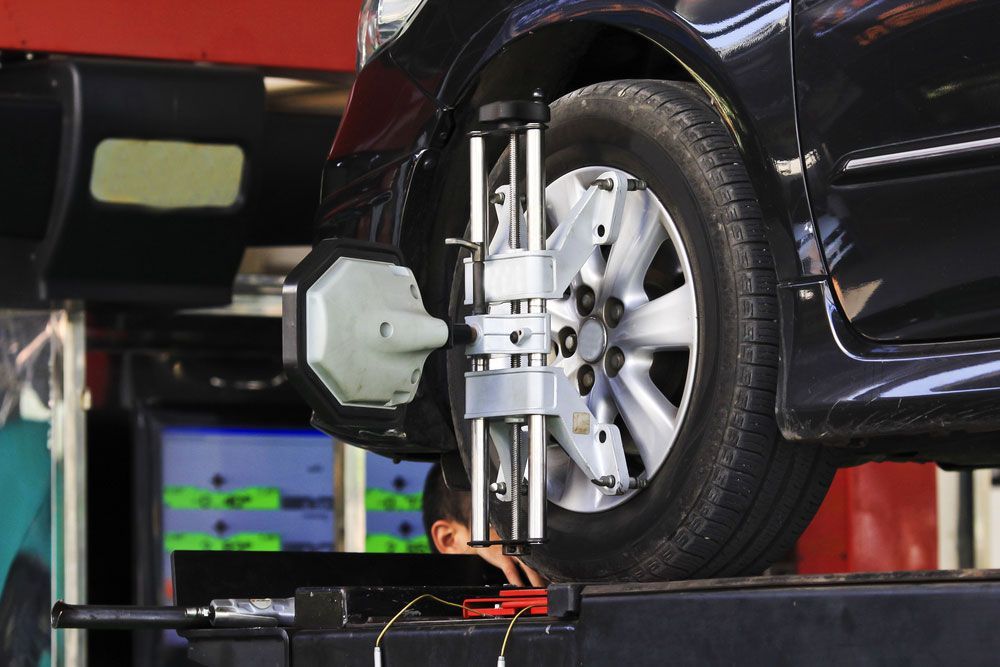
- Get a wheel alignment done annually or after hitting a significant pothole or kerb
- Check tyre pressure regularly, including the spare
- Avoid overloading the vehicle beyond its rated capacity
- Have tyres balanced whenever you notice vibration through the steering wheel
For a closer look at the warning signs, read our guide on how often you should replace your tyres.
Signs It's Time to Replace Your Tyres
Some signs of tyre wear are visual, while others show up through how the car feels on the road.
- Tread depth measuring close to or below 1.5mm
- Cracks or small splits appearing in the sidewall rubber
- Bulges or bubbles, which indicate internal damage
- Vibration at speed that wasn't there before
- Reduced grip in wet weather, or a longer stopping distance
If you notice more than one of these signs, it's worth having the tyres assessed rather than waiting for a more obvious failure.
New vs Second-Hand Tyres: What Should You Expect?
Both new and second-hand tyres have a place depending on budget and vehicle use, though the expectations for each differ.
- New tyres come with full tread depth and a longer expected lifespan
- New tyres typically include a manufacturer warranty
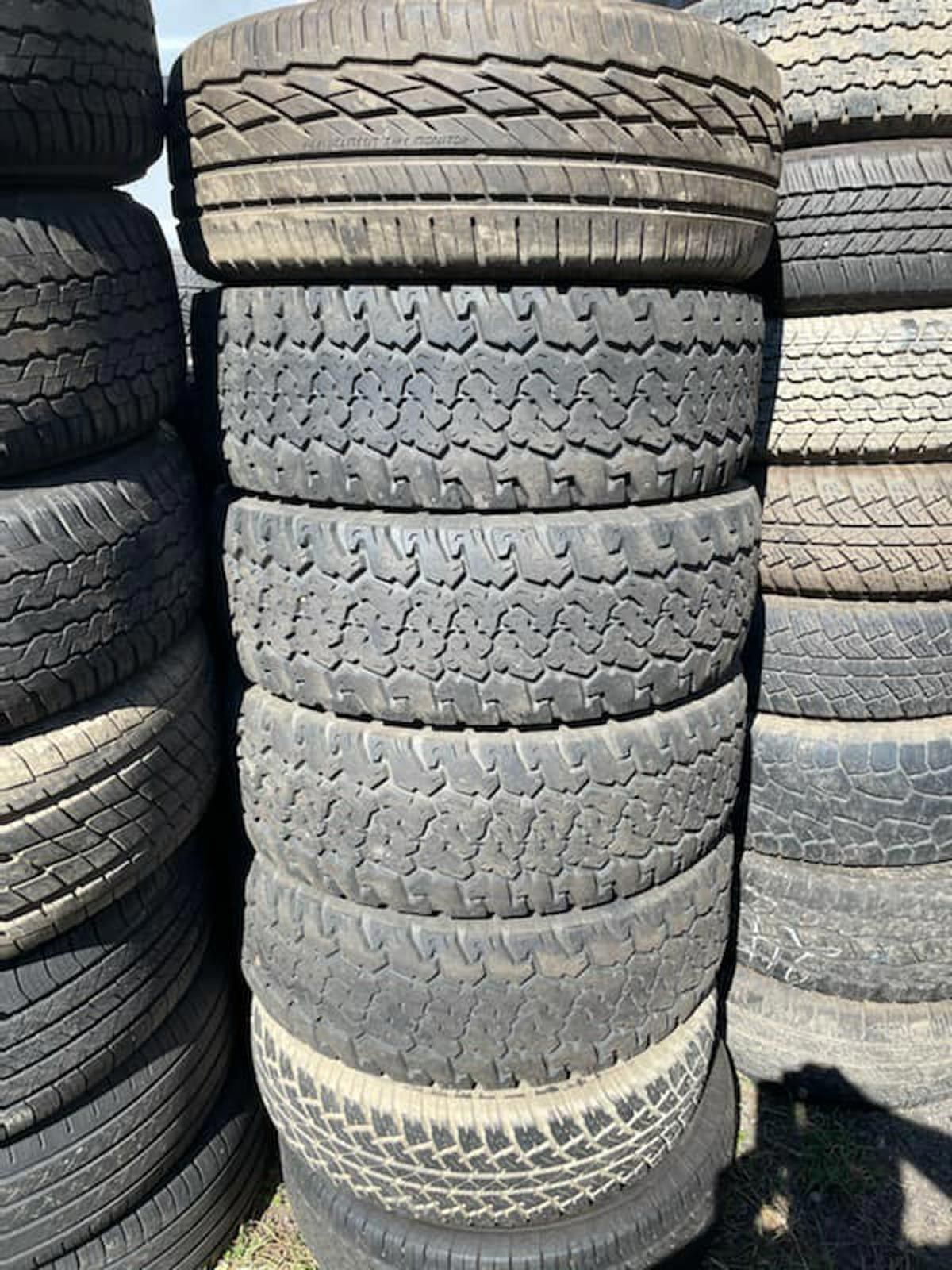
- Second-hand tyres cost less but have already used part of their tread life
- Quality second-hand tyres should still meet the legal tread depth and show no structural damage
- It's worth asking about the DOT code and tread measurement before buying second-hand
If you're unsure whether your set is due for replacement, our team offering
tyres Central Coast drivers trust can assess tread depth and rubber condition on the spot.
Get a Free Tread Check on the Central Coast
Working out how long tyres last on your own vehicle is easier with a proper inspection rather than a guess based on kilometres alone. Tread depth, rubber condition, alignment and age all play a part, and checking them together gives a clearer picture of what's left in your current set.
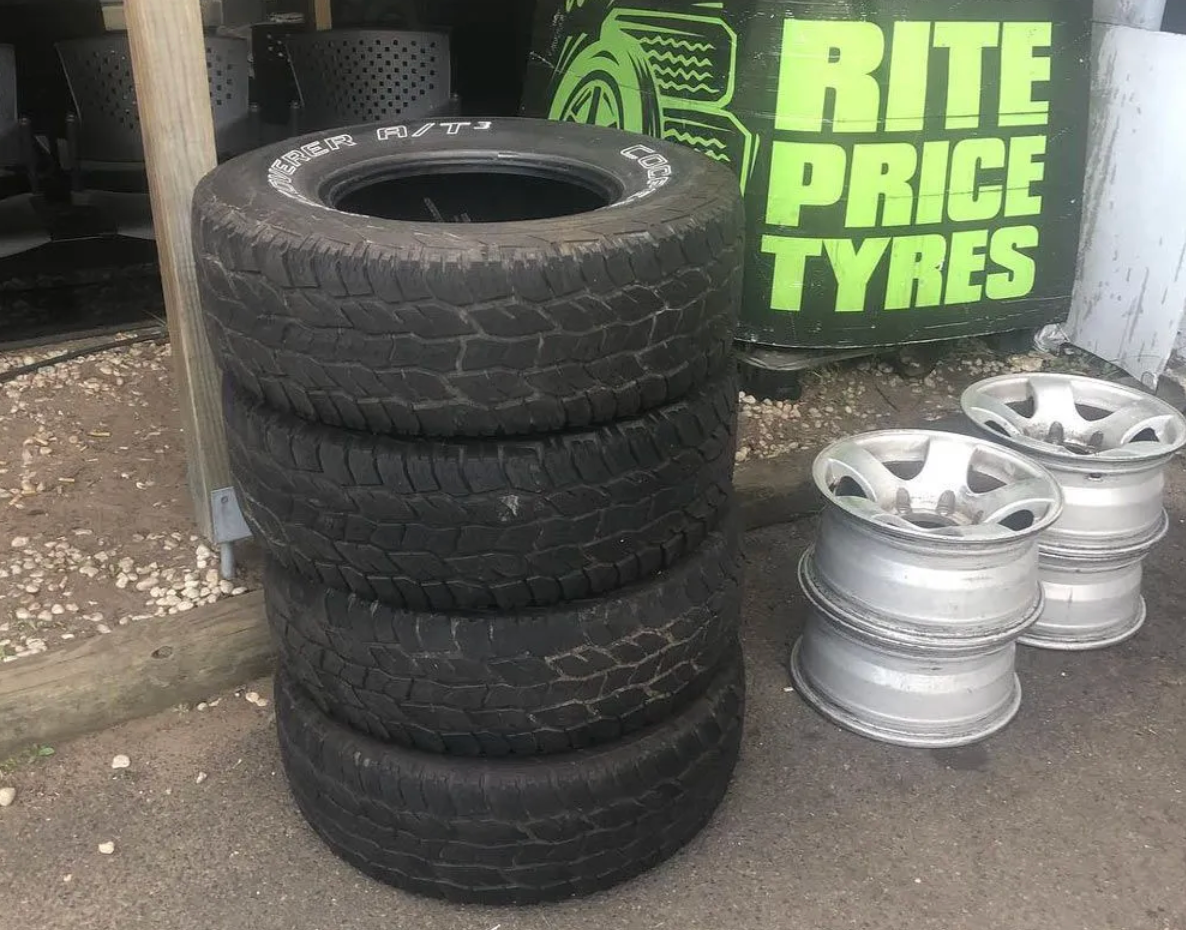
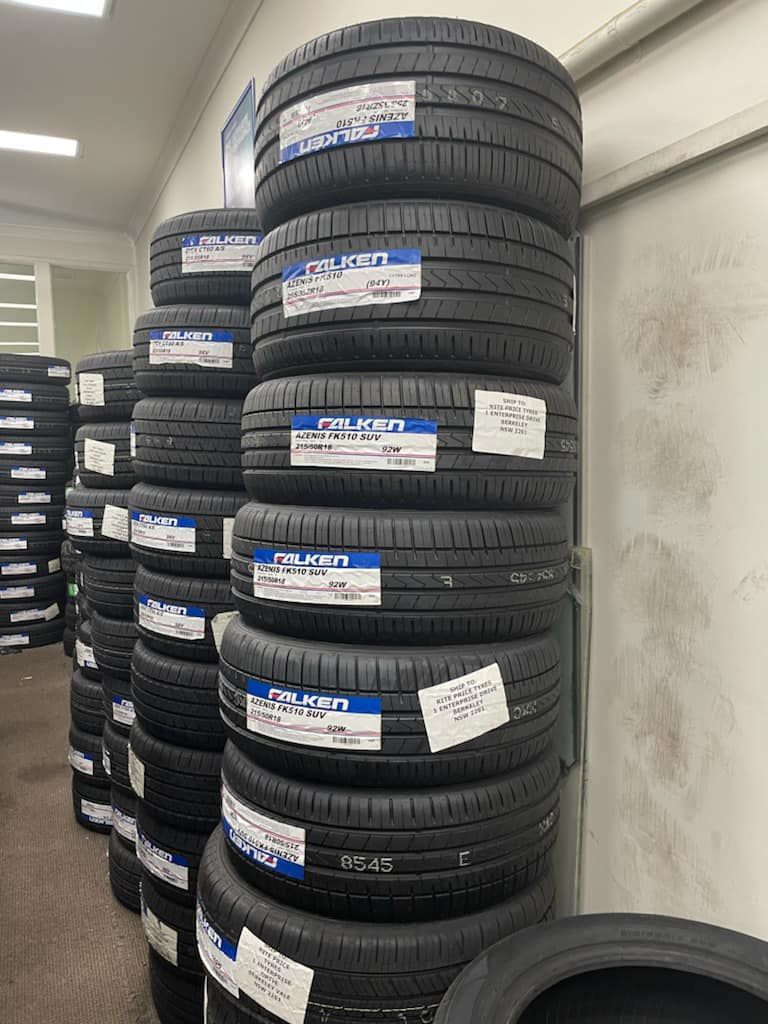
We at Rite Price Tyres offer free tread checks for Central Coast drivers, covering passenger cars, SUVs and 4WDs. Drivers looking for tyres Wyong or across the northern Central Coast can book in for a free tread check at our workshop. If your tyres are due for a look, get in touch or drop by to have them assessed before your next long drive.
FAQs
How long do tyres last on average in Australia?
Most tyres last between 40,000 and 80,000 kilometres, or five to ten years, depending on the tyre and how the vehicle is driven. Coastal conditions and regular beach access can shorten this slightly for Central Coast drivers.
Can tyres be too old to use even with good tread left?
Yes. Rubber hardens and cracks over time regardless of tread depth, so a tyre older than 6 to 10 years may need replacing even if it looks fine on the surface. Checking the DOT code on the sidewall gives you the manufacture date.
What's the legal tread depth limit in Australia?
The legal minimum is 1.5mm across the central three-quarters of the tyre. Driving below this limit is unsafe and may result in a fine if detected during an inspection.
Do second-hand tyres last as long as new ones?
No, second-hand tyres have already used part of their tread life, so they won't last as long as a new set. They can still be a reasonable option if the remaining tread and rubber condition are properly checked before purchase.