4WD Tyres on the Central Coast: What Off-Road Drivers Need to Know
Choosing the right 4WD tyres depends on where you drive, how often you leave sealed roads and whether you regularly tow. Highway-terrain tyres suit everyday driving, all-terrain tyres balance road comfort with off-road capability and mud-terrain tyres are designed for more demanding conditions.
At Rite Price Tyres, we help drivers choose tyres on the Central Coast that suit their vehicles and driving habits. Whether you're travelling along the Pacific Motorway, exploring approved off-road tracks or towing a boat, understanding tyre construction, tread patterns and load ratings can help you make a more informed purchase.
Understanding the Three Main Types of 4WD Tyres
Not all 4WD tyres are designed for the same conditions. The main differences involve tread design, construction, road comfort and performance on loose or uneven surfaces.
Highway-Terrain Tyres
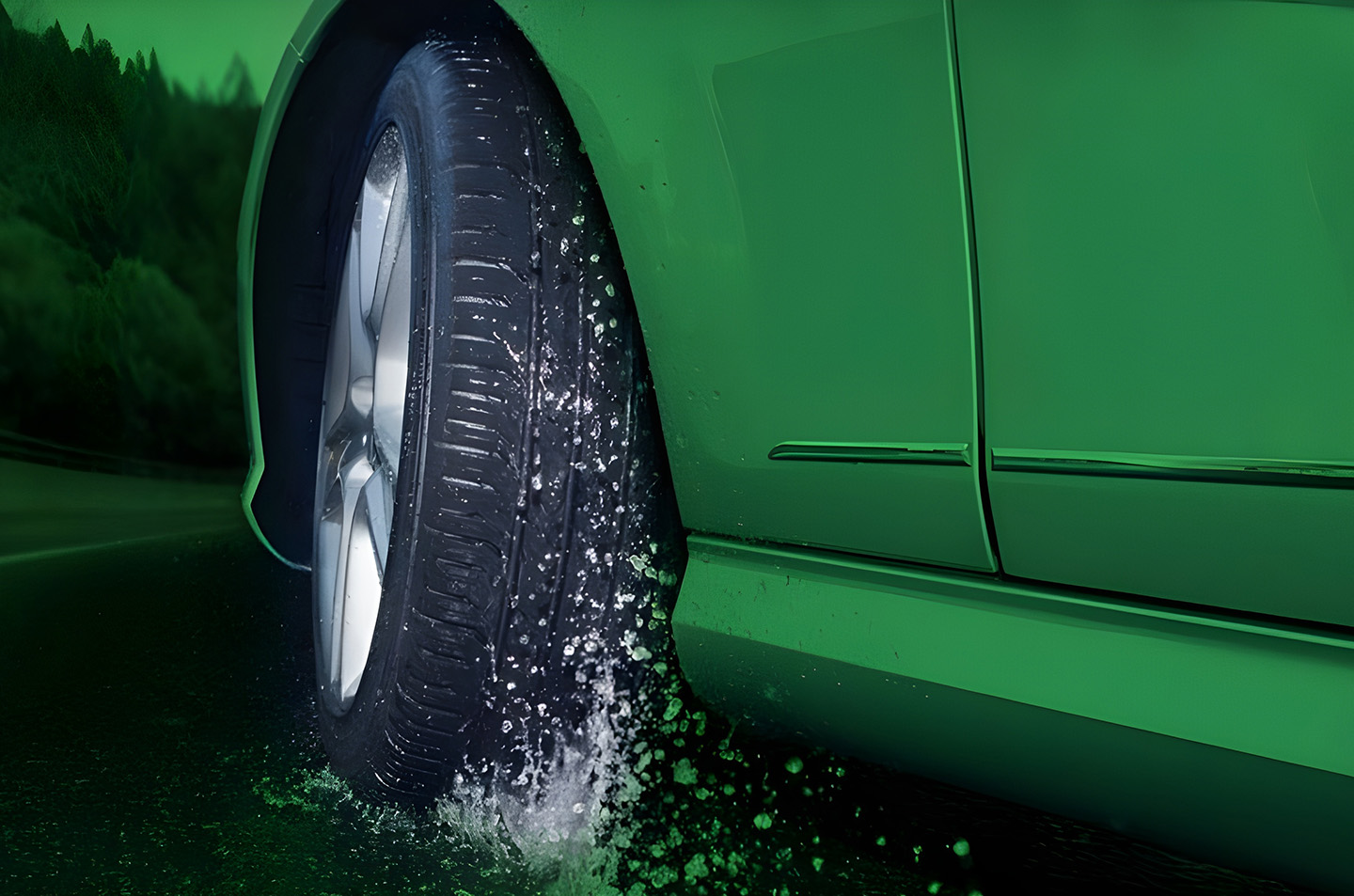
Highway-terrain (HT) tyres are designed primarily for sealed roads. Their tread patterns generally favour predictable handling, lower road noise and comfortable everyday driving. They can be a practical choice for SUV owners who mainly commute, travel on highways or tow on sealed roads. However, they may offer less traction and damage resistance than suitable off-road tyres in challenging terrain.
All-Terrain Tyres
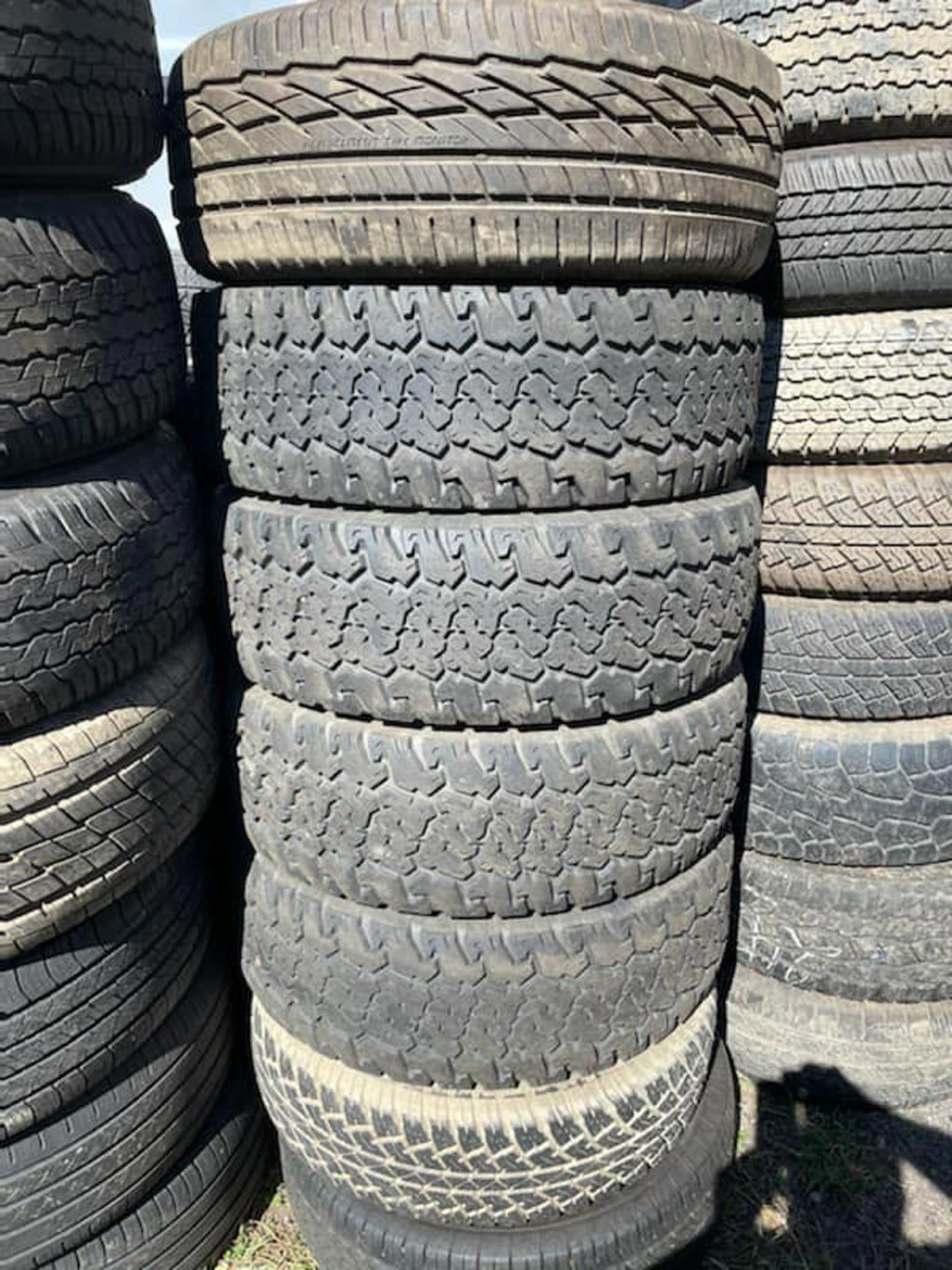
All-terrain (AT) tyres provide a compromise between on-road performance and off-road capability. Their more open tread patterns can offer improved traction on gravel, dirt and some loose surfaces while remaining suitable for regular highway use. For Central Coast drivers who spend most of their time on sealed roads but occasionally explore unsealed tracks, all-terrain tyres are often worth considering.
Mud-Terrain Tyres
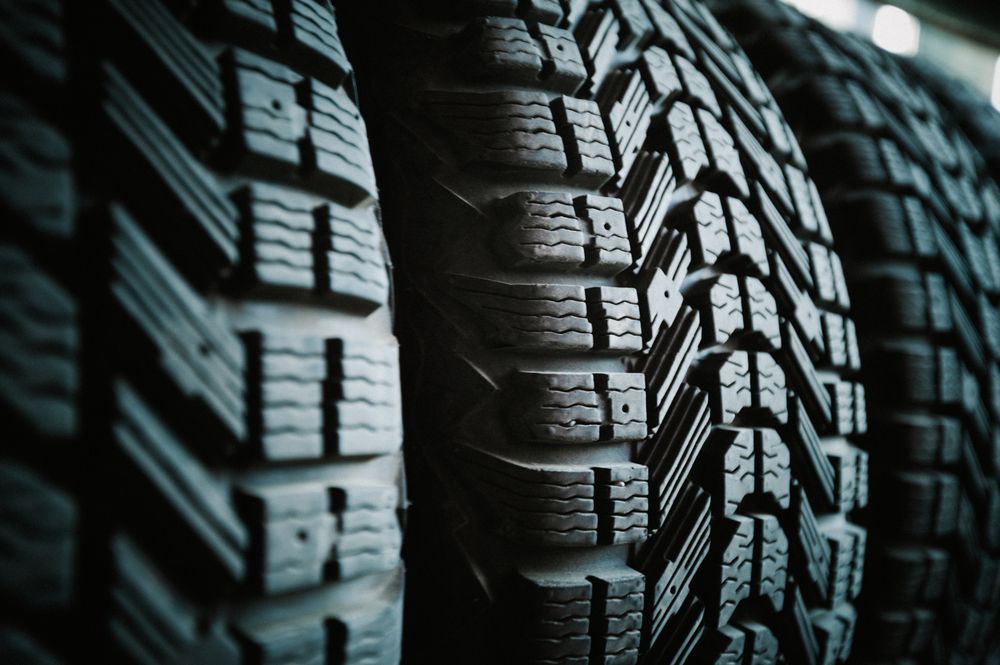
Mud-terrain (MT) tyres feature aggressive tread patterns designed to clear mud and provide traction in difficult off-road conditions. These benefits come with trade-offs. Depending on the tyre, mud-terrain designs may produce more road noise, feel less refined on sealed surfaces and wear differently from highway-focused alternatives. If you're comparing 4WD tyres on the Central Coast, start with the conditions you encounter most often rather than choosing the most aggressive tread available.
Which 4WD Tyres Are Best for Highway and Off-Road Driving?
For many drivers who regularly alternate between highways and moderate off-road conditions, all-terrain tyres offer a practical balance.
However, the best choice depends on how much time you actually spend off-road. A vehicle used for daily commuting with occasional gravel-road trips has different requirements from one frequently driven through deep mud or rocky terrain.
Consider the following before choosing:
- Daily driving: Think about road noise, comfort and wet-weather handling.
- Off-road frequency: Occasional unsealed roads may not justify a specialised mud-terrain tyre.
- Terrain: Gravel, sand, mud and rocky tracks place different demands on tread and construction.
- Vehicle weight: Accessories, passengers and cargo affect tyre loading.
- Towing: Boat trailers and caravans can significantly change the loads carried by your vehicle's tyres.
A tyre that performs well on a muddy track may not be the most comfortable option for long motorway journeys. Choosing according to your actual usage usually produces a more practical result. For a broader overview, explore our guide to choosing the right tyres.
Do You Need Special Tyres for Beach Driving on the Central Coast?
Beach driving places different demands on tyres because soft sand offers less support than a sealed road. However, you don't necessarily need mud-terrain tyres to drive on sand. Many suitable all-terrain tyres can perform well in sandy conditions when paired with appropriate tyre pressures, vehicle preparation and driving techniques. In fact, aggressive mud-terrain tread patterns are not automatically an advantage in soft sand.
For Central Coast drivers considering destinations such as Birdie Beach or Nine Mile Beach, it's important to check current vehicle-access rules, permits and restrictions before planning a trip. Not every beach or access point permits recreational vehicle driving.
Where beach driving is legally permitted, preparation should include checking tyre condition, carrying suitable recovery equipment and understanding safe tyre-pressure adjustments. Lowering pressures may improve flotation on sand, but the correct pressure depends on tyre construction, vehicle weight and conditions. Driving speed must also be reduced when pressures are lowered. Before returning to sealed roads, reinflate your tyres to an appropriate road pressure using a suitable compressor and check for damage.
Why Load Ratings Matter When Towing Boats and Trailers
One of the most important considerations when buying 4WD tyres is load capacity, especially if you tow regularly. A tyre's load index indicates the maximum load it can carry under specified conditions. Choosing a tyre based only on size and tread pattern can overlook whether it is suitable for your vehicle's actual operating weight.
For example, imagine a hypothetical Central Coast driver who regularly tows a boat while carrying passengers, recovery equipment and camping gear. The vehicle's tyres must accommodate the loads imposed on their respective axles, including the additional load transferred through the trailer coupling.
Two ratings are particularly important:
- Gross Vehicle Mass (GVM): The maximum permitted loaded mass of the towing vehicle.
- Gross Trailer Mass (GTM): The mass carried by the trailer's wheels when the trailer is coupled to the towing vehicle.
GTM is not the same as the trailer's total mass, and it does not directly tell you how much load is transferred onto the tow vehicle. A proper assessment also considers axle load limits, towball download, tyre load indexes and the manufacturer's towing requirements. Trailer mass limits and the vehicle's gross combination mass rating may also be relevant.
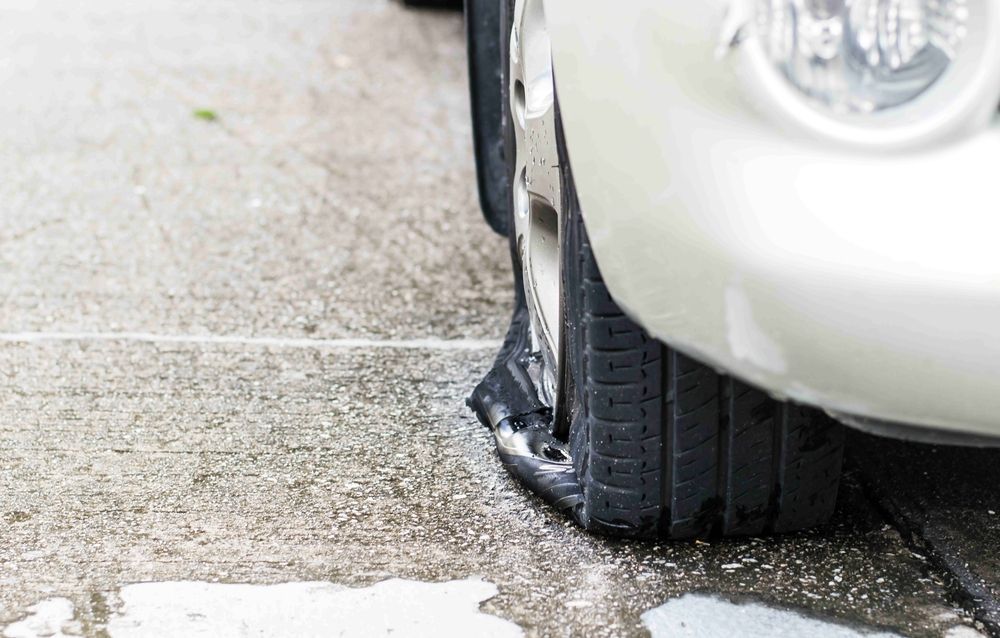
Insufficient load capacity, incorrect inflation or overloading can contribute to excessive heat, premature wear and tyre damage. Sidewall cracking can have several causes, so it should not automatically be attributed to one issue.
At Rite Price Tyres, we recommend checking the vehicle's specifications and intended loads before selecting replacement tyres, particularly for drivers who regularly tow.
Choosing the Right Tyre Size and Construction
Tyre size affects more than appearance. Changing dimensions can influence clearance, speedometer readings, handling and the suitability of the tyre for your vehicle. Before purchasing larger or more aggressive tyres, check the vehicle manufacturer's specifications and applicable modification requirements.
Tyre construction also matters. Some off-road-focused tyres use reinforced designs intended for demanding conditions, but increased robustness may come with additional weight or reduced ride comfort.
When comparing 4WD tyres in Australia, look beyond the tread pattern and consider:
- The manufacturer's approved tyre sizes.
- Load and speed ratings.
- Intended terrain and driving conditions.
- Compatibility with existing wheels.
- Vehicle modifications and suspension clearance.
A suitable tyre should meet the vehicle's requirements while supporting the type of driving you actually do.
Why Wheel Alignment Matters After Fitting New 4WD Tyres
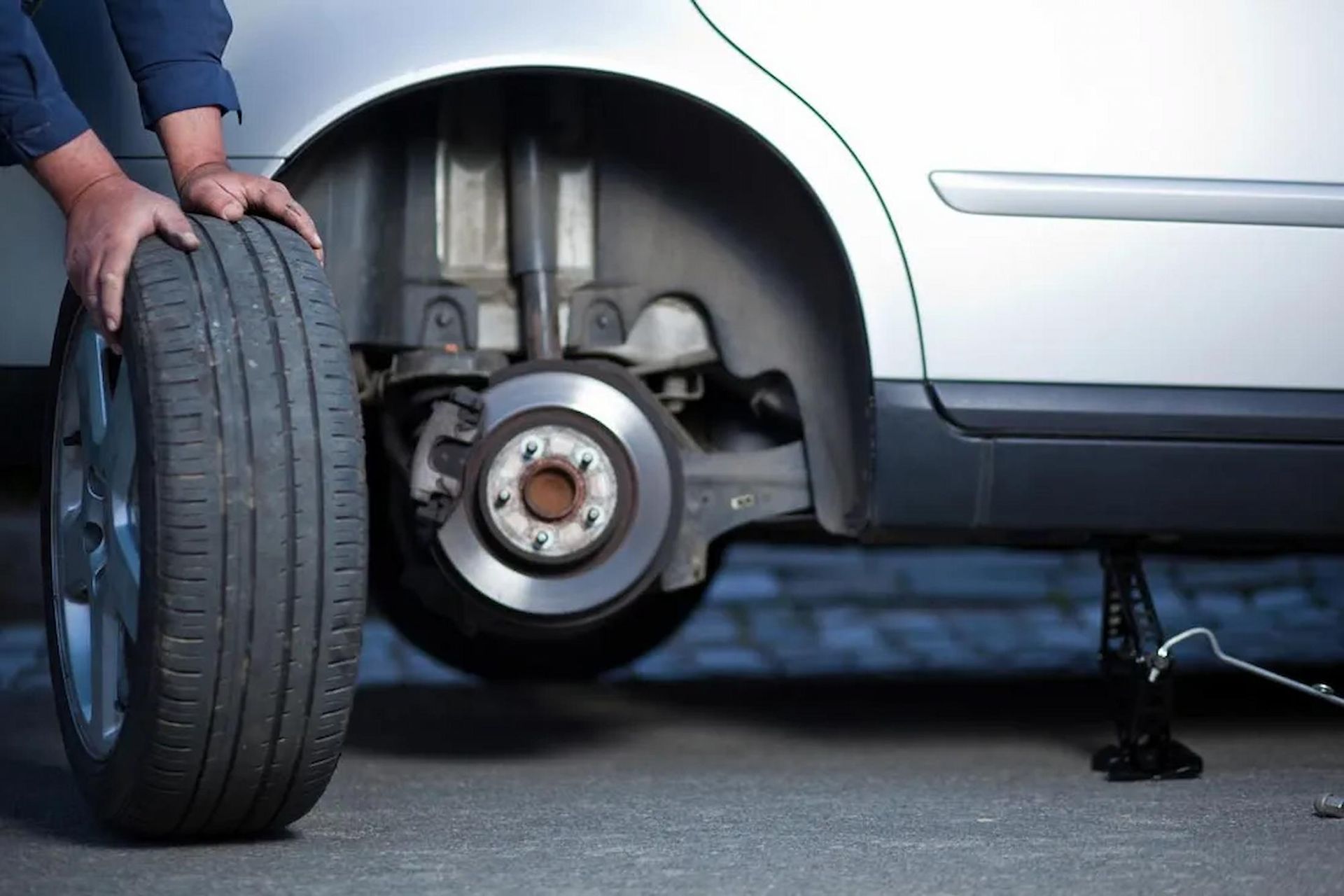
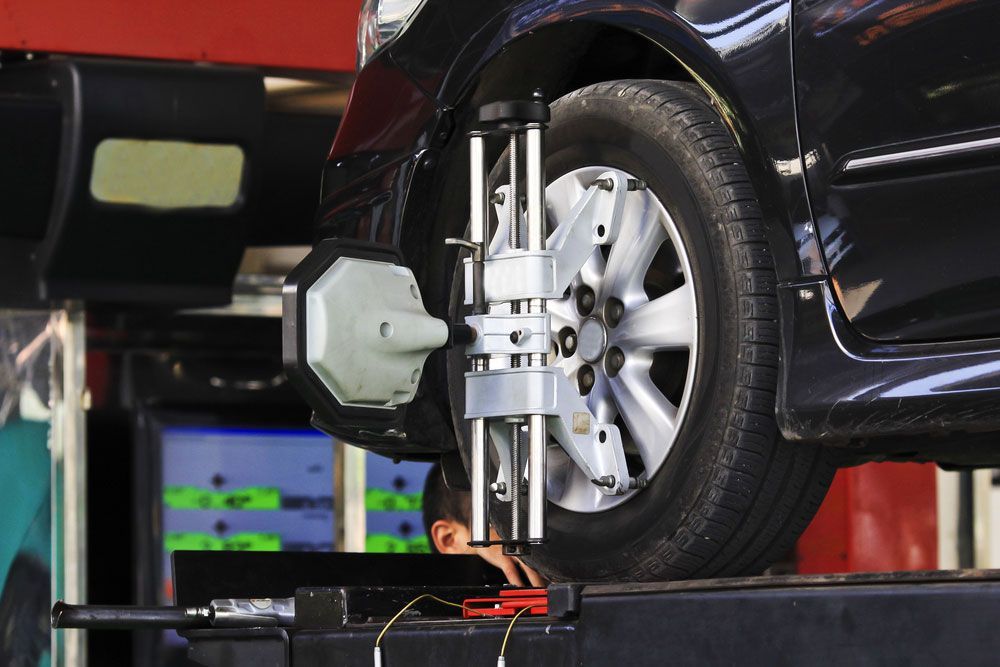
New tyres are an investment, so it's worth checking whether your vehicle's wheel alignment is correct. Incorrect alignment can contribute to uneven tread wear and affect handling. This is particularly relevant for 4WDs that regularly travel over rough surfaces or have undergone suspension modifications.
A wheel alignment after fitting new tyres may be worthwhile if the vehicle shows signs of uneven wear, steering pull or recent suspension changes. Alignment requirements should be assessed rather than assuming every tyre replacement needs adjustment. Regular tyre-pressure checks, rotations where appropriate and inspections for cuts or sidewall damage can also help maintain tyre condition.
Find the Right 4WD Tyres With Rite Price Tyres
The best 4WD tyre isn't necessarily the most expensive or aggressive option. It's the one that suits your vehicle, expected loads and balance of highway and off-road driving. For everyday driving with occasional unsealed-road adventures, all-terrain tyres may offer the versatility you need. Highway-terrain tyres remain a sensible choice for predominantly sealed-road use, while mud-terrain tyres are better suited to drivers who regularly encounter demanding off-road conditions.
At Rite Price Tyres, we have been supplying and fitting tyres for Central Coast motorists for more than 34 years. We can help you compare options for 4WDs and SUVs, including considerations such as tread type, tyre size and load ratings. If you're ready to explore tyres on the Central Coast, contact our team at Rite Price Tyres to discuss your vehicle, driving habits and towing requirements before making your choice.
Frequently Asked Questions
Are All-Terrain Tyres Good for Everyday Driving?
Yes, many all-terrain tyres are suitable for everyday road use. However, road noise, comfort and wet-weather performance vary between models. Choose a tyre that matches how frequently you drive off-road.
Do Mud-Terrain Tyres Wear Faster on Highways?
Wear depends on the tyre's construction, compound, vehicle weight, inflation and driving conditions. Some mud-terrain tyres may wear differently from highway-focused tyres during regular sealed-road use.
Can I Use Highway-Terrain Tyres on Gravel Roads?
Highway-terrain tyres can be suitable for some maintained gravel roads, depending on conditions. Rough, rocky or heavily rutted tracks may require tyres with different traction or construction characteristics.
Should I Buy a Second Set of Tyres for Off-Road Driving?
A second set may be useful if your off-road requirements differ significantly from everyday driving. Consider the cost, storage, wheel compatibility and how frequently you'll use each set.
How Often Should I Check My 4WD Tyre Pressures?
Check pressures regularly and before long trips or towing. Use the vehicle manufacturer's recommendations as your starting point, adjusting for loads and conditions where appropriate. Check pressures when tyres are cold whenever possible.