Wheel Alignment & Balancing: Why It’s Critical For Central Coast Vehicles
Most tyre problems don’t actually begin with the tyre itself. They start with alignment or balancing. If your steering wheel vibrates at highway speed, your vehicle pulls slightly to one side, or your tyres are wearing unevenly, the issue often sits in the wheel setup rather than the rubber. For drivers hitting the road every day, proper alignment and balancing are essential for safety, efficiency and long-term tyre performance of your tyres on the Central Coast.
What Is Wheel Alignment?
Wheel alignment refers to the angles at which your wheels meet the road. Manufacturers design vehicles with very specific alignment settings so tyres sit flat and evenly against the surface. When alignment is correct, steering feels centred and stable, the vehicle tracks straight and tyre wear is even across the tread. When alignment shifts, even slightly, you may notice the steering wheel is off-centre or the car drifts left or right on a straight road. Over time, poor alignment causes uneven edge wear, shortens tyre lifespan and increases rolling resistance, which can slightly raise fuel consumption.
Alignment can gradually change due to everyday driving conditions. Regular roundabouts, driveway angles, uneven surfaces and the occasional pothole all place pressure on suspension components. These small impacts don’t usually cause immediate problems, but they slowly affect wheel positioning.
What Is Wheel Balancing?
Wheel balancing is about ensuring the weight of the tyre and wheel assembly is evenly distributed as it rotates. Even minor weight differences become noticeable at higher speeds, especially during motorway driving between Gosford, Wyong or Sydney. When wheels are unbalanced, you’ll often feel vibration through the steering wheel or floor of the vehicle at around 90–110 km/h.
Balancing prevents that vibration and protects suspension components from unnecessary stress. It also helps tyres wear evenly rather than developing patchy or scalloped tread patterns. Smooth rotation makes a significant difference in long-term tyre life and overall driving comfort.
Why It Matters on the Central Coast
Local driving conditions make alignment and balancing particularly important. Central Coast roads combine high-speed commuting with suburban stop-start traffic and older road surfaces. This mix creates steady wear on suspension and steering systems. Coastal air can also contribute to gradual corrosion in wheel and suspension hardware, which may also affect how well alignment settings hold over time.
These changes usually happen slowly, which is why many drivers don’t notice until tyre wear becomes obvious. If you’re driving daily on Central Coast roads, small shifts in alignment are common and worth monitoring before they lead to early replacement.
The Cost of Ignoring It
The biggest consequence of poor alignment or balancing is premature tyre wear. A vehicle that is even slightly misaligned can reduce tyre life significantly, meaning replacement comes sooner than expected. For drivers searching for new tyres, it’s important to understand that fitting them without correcting alignment often leads to the same uneven wear pattern returning quickly.
Beyond tyres, imbalance and misalignment increase strain on suspension parts and steering components. Over time, this can contribute to additional maintenance costs. Regular inspections are far more affordable than replacing quality car tyres early or repairing worn suspension components.
Signs You Should Book an Inspection
There are several clear indicators that alignment or balancing may need attention. If your vehicle pulls to one side, the steering wheel doesn’t sit straight on a flat road, you feel vibration at highway speeds or you notice uneven tread wear, it’s worth booking an inspection. It’s also advisable to check alignment after hitting a significant pothole or mounting a kerb, even if the vehicle feels mostly normal.
For most drivers, checking alignment annually or whenever tyres are replaced is a practical approach to protecting both safety and tyre lifespan.
How Often Should Alignment and Balancing Be Checked
Even if your vehicle feels normal, wheel alignment and balancing should be checked regularly. For most drivers, an alignment inspection once a year is a sensible baseline. However, if you commute daily on the motorway or frequently drive through roundabouts and suburban streets, you may benefit from more frequent checks.
Balancing should always be performed when new tyres are installed and is commonly done during tyre rotations. It’s also wise to have both alignment and balancing checked after suspension work, replacing steering components or experiencing a significant impact with a pothole or kerb. Regular inspections are a preventative measure that help ensure tyres wear evenly and last as long as possible.
Alignment, Balancing and Fuel Efficiency
Many drivers don’t realise that wheel alignment affects fuel use. When wheels are misaligned, they create additional rolling resistance. This means the engine has to work slightly harder to keep the vehicle moving forward. While the difference may not seem dramatic at first, over thousands of kilometres it can add up.
Properly aligned and balanced wheels allow tyres to rotate freely and evenly, improving efficiency and reducing unnecessary strain on the vehicle. For drivers covering long distances across the Central Coast or commuting regularly, maintaining correct alignment supports both tyre longevity and fuel economy.
Protecting Your Tyres
When purchasing quality car tyres, most drivers expect them to last their full projected lifespan. However, even premium tyres cannot compensate for poor alignment or imbalance. Uneven angles or vibration will shorten tyre life regardless of brand or tread pattern.
Before replacing worn tyres, it’s worth asking whether alignment or balancing contributed to the wear. Addressing those issues at the same time ensures your new tyres perform as intended. It also helps prevent the same wear pattern from reappearing.
Professional Equipment Makes a Difference
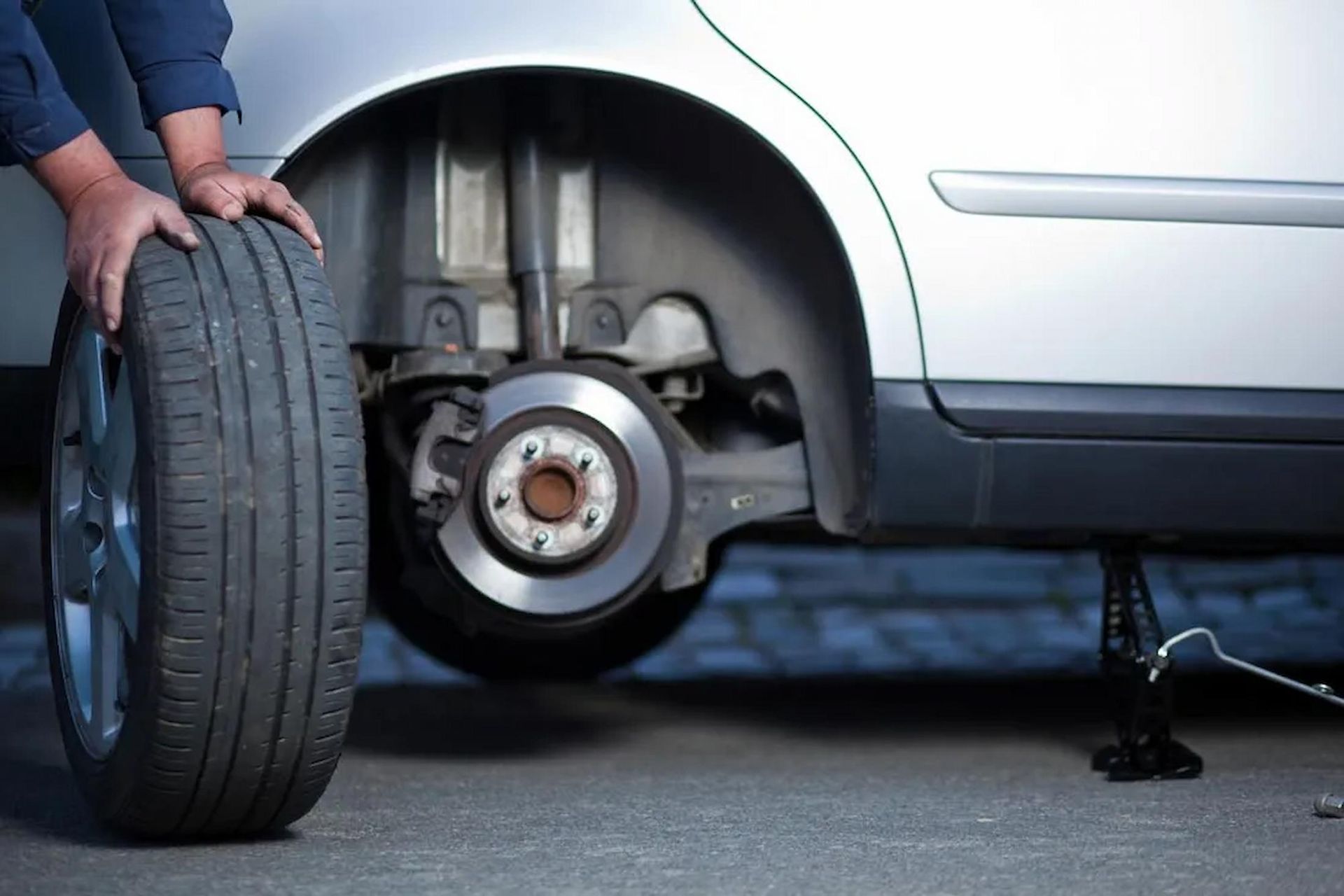
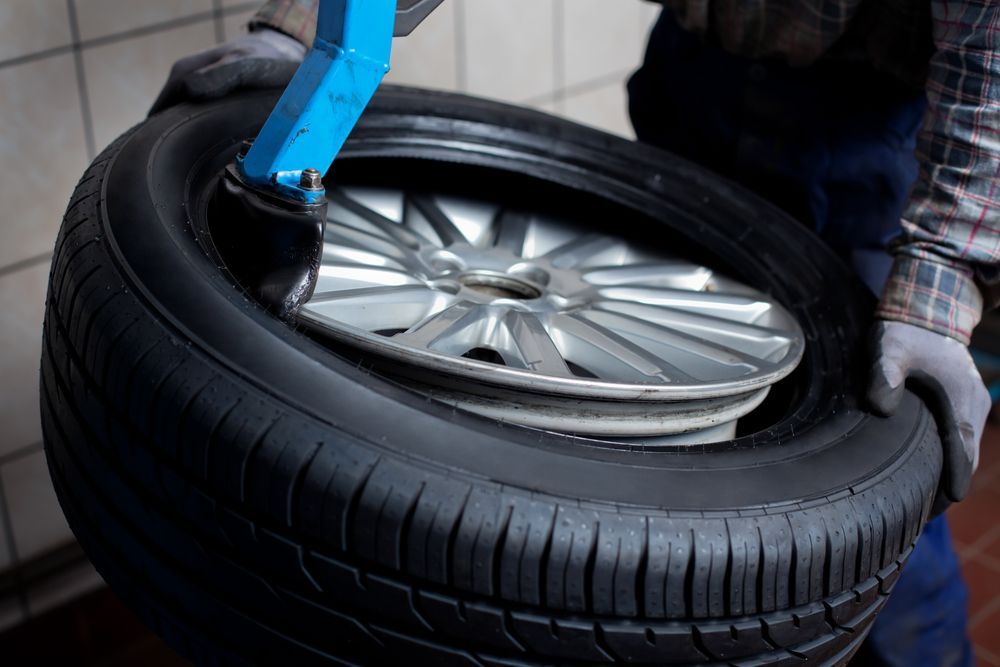
Wheel alignment and balancing require specialised diagnostic equipment. Modern alignment systems measure wheel angles with precision and adjust them to manufacturer specifications. Balancing machines detect small weight inconsistencies that are impossible to identify visually.
Having these services completed by trained technicians ensures adjustments are accurate and compliant with manufacturer standards. Choosing a provider that offers proper alignment and balancing services alongside tyre fitting helps ensure long-term results rather than short-term fixes.
Need Wheel Balancing or Wheel Alignment on the Central Coast?
Wheel alignment and balancing are not optional extras. They’re part of basic vehicle maintenance that protects tyre life, fuel efficiency and handling stability. In a region where commuting, coastal exposure and varied road surfaces are common, staying on top of these services helps prevent unnecessary wear and unexpected costs.
Rite Price Tyres can ensure your wheels are aligned and balanced correctly for local driving conditions. Keeping your wheels properly set up is one of the simplest ways to protect your tyres on the Central Coast and maintain safe, predictable handling.