Flat Tyre? What To Do Next & Where To Get Tyres On The Central Coast
If you've just had a flat tyre, your first priority is getting yourself and your vehicle somewhere safe—not trying to save the tyre. Pull over away from moving traffic where possible, switch on your hazard lights and assess your surroundings before getting out.
Once you're safe, Rite Price Tyres can help with the tyres on the Central Coast to get back on the road. Here's what to do next, whether you're on a suburban street, the Pacific Highway, the M1 or a quieter road around the Central Coast.
What Should You Do Immediately After Getting a Flat Tyre?
If you feel the steering change, hear unusual tyre noise or receive a tyre-pressure warning, slow down progressively and look for a safe place to stop. Avoid sudden braking or sharp steering. Switch on your hazard lights and move as far away from moving traffic as safely possible. Once stopped:
- Apply the park brake and switch off the engine.
- Check your surroundings before opening the door.
- Keep passengers away from traffic.
- Assess the tyre only if you can do so safely.
- Decide whether changing the tyre is safe or whether you need roadside assistance.
Don't put yourself at risk simply to inspect the damage. On a high-speed or busy road, staying somewhere protected and calling for assistance may be much safer than attempting a roadside tyre change. Need advice on your next step?
Call us on
(02) 4388 4321.
What Should You Do With a Flat Tyre on the M1 or Pacific Highway?
A flat tyre on the M1 Pacific Motorway or a busy section of the Pacific Highway requires extra caution because vehicles may be passing at high speed.
If you can safely move your vehicle away from traffic, do so without travelling farther than necessary. Use an appropriate stopping area where available rather than attempting repairs close to a live traffic lane.
Once stopped, switch on your hazards and assess where you and your passengers will be safest. The exact safest location depends on the road environment, so prioritise keeping people away from moving traffic. Don't attempt to change a tyre if doing so would place you in or immediately beside traffic. If the vehicle cannot be moved to a safe position or the situation creates an immediate road hazard, seek appropriate roadside or emergency assistance.
Should You Change the Spare Tyre or Call for Help?
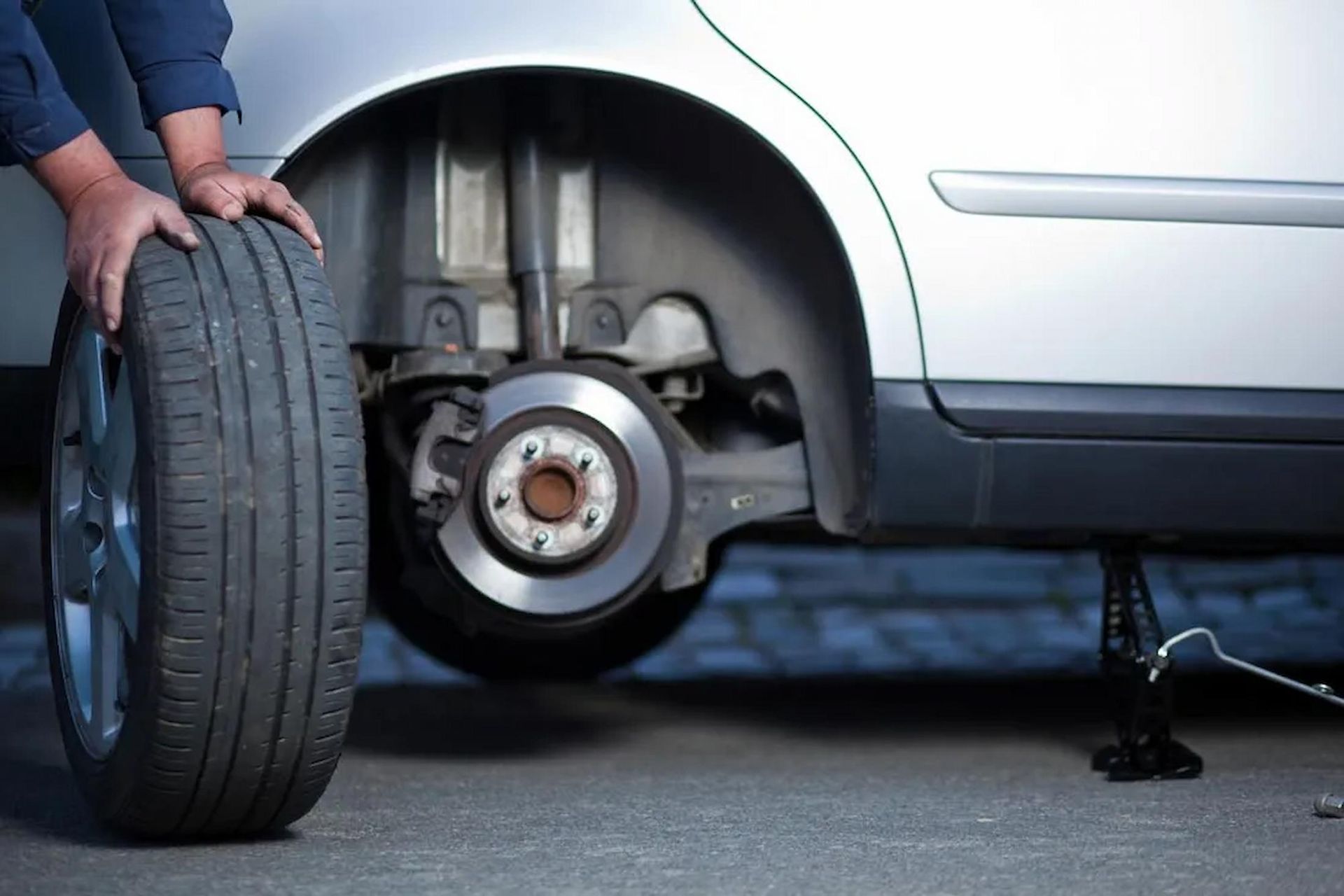
Changing to a spare can be practical if your vehicle has one, you know how to fit it correctly and you're parked on stable, level ground well away from traffic. Before starting, check that you have the required jack and wheel tools. You should also confirm that the spare is in usable condition. Calling for help is generally the better option if:
- You're beside fast-moving traffic
- The ground is soft, sandy, sloping or unstable
- You don't have the correct tools
- The spare is flat or damaged
- You're unsure how to use the jack safely
- More than one tyre is damaged
- The wheel or vehicle appears damaged
- Conditions make changing the tyre unsafe
This is particularly relevant after travelling on beach access tracks or unsealed roads. Soft ground can be unsuitable for safely supporting a vehicle jack. Mobile reception can also vary in quieter areas, so it pays to have roadside assistance and local tyre-shop details saved before you need them.
How Far Can You Drive on a Deflating Tyre?
As little as safely possible. Continuing to drive on a tyre that has lost substantial pressure can damage the tyre further and may also damage the wheel. A tyre that could potentially have been repairable may become unusable after being driven while severely underinflated.
If you notice a slow pressure loss but the tyre still appears inflated, don't assume it's safe to continue your normal journey. Find a safe place to stop and arrange an inspection as soon as practical. A completely flat tyre should not be treated as something you can simply drive on until you reach the nearest workshop.
Run-flat tyres are different and may permit limited travel under particular conditions, but you need to follow the tyre and vehicle manufacturer's instructions. Don't assume your vehicle has run-flat tyres unless you know that it does.
Can a Flat Tyre Be Repaired?
Sometimes. Whether a tyre can be repaired depends on the type, size and location of the damage as well as the tyre's overall condition.
A straightforward puncture in a suitable part of the tread may be repairable after professional inspection. Damage to areas such as the sidewall, or damage caused by driving on a flat tyre, can mean replacement is necessary.
A tyre technician also needs to consider the remaining tread and general condition. Repairing a puncture may make little sense if the tyre is already due for replacement. Don't rely on an external visual inspection alone. The tyre may need to be removed from the wheel so its internal condition can be properly assessed.
A flat can be the most obvious sign that something is wrong, but wear often gives you earlier clues. Our guide to the signs your tyres need replacing explains what to check before a tyre emergency develops.
Where Can You Get Replacement Tyres Central Coast Drivers Can Rely On?
Once the immediate roadside problem is under control, arrange a professional tyre inspection promptly. Rite Price Tyres supplies and fits tyres Central Coast drivers can choose for different vehicles and driving requirements from our Berkeley Vale workshop.
Calling ahead is worthwhile, particularly when you're dealing with an unexpected flat. Give the team your tyre size and vehicle details if you have them so they can advise you about suitable options and availability.
If the punctured tyre can't be repaired, the team can help you select an appropriate replacement rather than leaving you driving around on a temporary spare longer than necessary. Drivers around the northern end of the region can also learn more about our tyres in Wyong. For urgent tyre advice, call (02) 4388 4321.
How Can You Reduce the Risk of Another Flat Tyre?
Not every puncture is preventable. Nails, screws, road debris and unexpected damage can catch even a well-maintained vehicle. However, routine tyre checks can identify problems before they leave you stranded.
Check your tyre pressures regularly using the pressure specified for your vehicle. Look across the tread and sidewalls for visible damage, unusual wear, cracking or objects embedded in the tyre.
Don't forget the spare. Discovering that your spare has lost pressure after you've already had a flat is an avoidable problem. If you regularly drive longer distances on the M1, use rough access roads or travel to more isolated areas, checking your tyres before leaving is especially worthwhile.
Example: A Central Coast driver heading away for the weekend notices one tyre repeatedly needs air. Rather than topping it up again and starting the trip, they have it inspected and find a slow puncture. Addressing it beforehand is far easier than discovering a completely flat tyre somewhere with limited mobile coverage.
What Should You Do After a Central Coast Tyre Emergency?
A flat tyre is stressful, but the order of priorities is simple: get away from moving traffic where possible, keep yourself and your passengers safe, and don't drive farther on the damaged tyre than necessary.
If it's safe and you have the equipment and experience, fitting the spare may get you to a tyre shop. If conditions aren't suitable, call for assistance rather than taking unnecessary risks beside the road.
For replacement tyres Central Coast drivers can have professionally supplied and fitted, contact Rite Price Tyres in Berkeley Vale. Call us on (02) 4388 4321 to explain what has happened, check tyre availability and get advice on your next step.
Frequently Asked Questions
Can I drive to a tyre shop with a flat tyre?
You should avoid driving on a completely flat tyre. Doing so can cause further tyre and wheel damage and may affect vehicle control. Stop somewhere safe and use a suitable spare or arrange assistance.
Should I change a tyre beside the M1?
Only attempt a tyre change if you can do so in a genuinely safe location away from moving traffic and on suitable ground. If you're exposed to high-speed traffic or cannot safely work around the vehicle, seek roadside assistance.
Can a punctured tyre always be repaired?
No. Repairability depends on the location and extent of the damage and the tyre's overall condition. A tyre professional should inspect it before determining whether repair is appropriate.
What information should I give a tyre shop when I call?
Your vehicle make and model, tyre size and a description of the damage are useful. If you're unsure of the tyre size, the shop can help you identify what information is needed.
Should I replace both tyres on the same axle?
That depends on the condition and specifications of the remaining tyre and your vehicle's requirements. Have the tyres inspected and ask the tyre technician what replacement approach is appropriate for your vehicle.