Are Run Flat Tyres Worth It? What Central Coast Drivers Should Know
Replacing tyres on a newer vehicle can be confusing, especially when the original equipment differs from tyres you have used before. Many European cars and modern SUVs leave the factory fitted with run flat tyres, which can keep the vehicle mobile for a limited distance after losing pressure. That feature can be useful, but replacing like-for-like is not automatically right for every driver. Cost, ride comfort, vehicle design, availability and how you prefer to handle a puncture should all influence the decision.
How Run Flat Technology Changes What Happens After a Puncture
A standard tyre relies on air pressure to maintain its shape and support the vehicle. Once significant pressure is lost, continuing to drive can damage the tyre and affect handling. Run flat designs use reinforced sidewalls that temporarily support the vehicle after a puncture, allowing limited travel instead of an immediate stop.
The main practical differences are:
- Reinforced sidewalls help support the vehicle after substantial pressure loss.
- Tyre pressure monitoring systems are important because a puncture may not feel obvious.
- The extra mobility is temporary and intended to help you reach assistance.
This can be particularly useful when stopping safely at the roadside would otherwise be difficult.
How Far Can You Keep Driving After Losing Pressure?
Run flat capability does not mean you can continue driving normally after a puncture. Permitted speed and distance vary between tyre manufacturers, vehicle models and specifications. Road conditions, vehicle load and the severity of the damage can also affect how safely the tyre performs after pressure is lost.
If a tyre pressure warning appears, the safest approach is:
- Reduce speed and avoid hard acceleration or sudden braking.
- Check the vehicle handbook and tyre manufacturer guidance for specific limits.
- Arrange an inspection promptly rather than using the remaining distance unnecessarily.
Even when the tyre still holds its shape, internal damage may have occurred, making professional assessment important.
Why Replacement Costs Can Be Higher
The reinforced construction required for run flat tyres generally makes them more expensive than comparable standard alternatives. The difference may be greater on vehicles with larger wheels or less common tyre sizes. When replacing a set, compare products with equivalent size, load rating and speed rating rather than focusing on purchase price alone.
Several factors can affect replacement costs:
- Specialised construction can increase manufacturing costs.
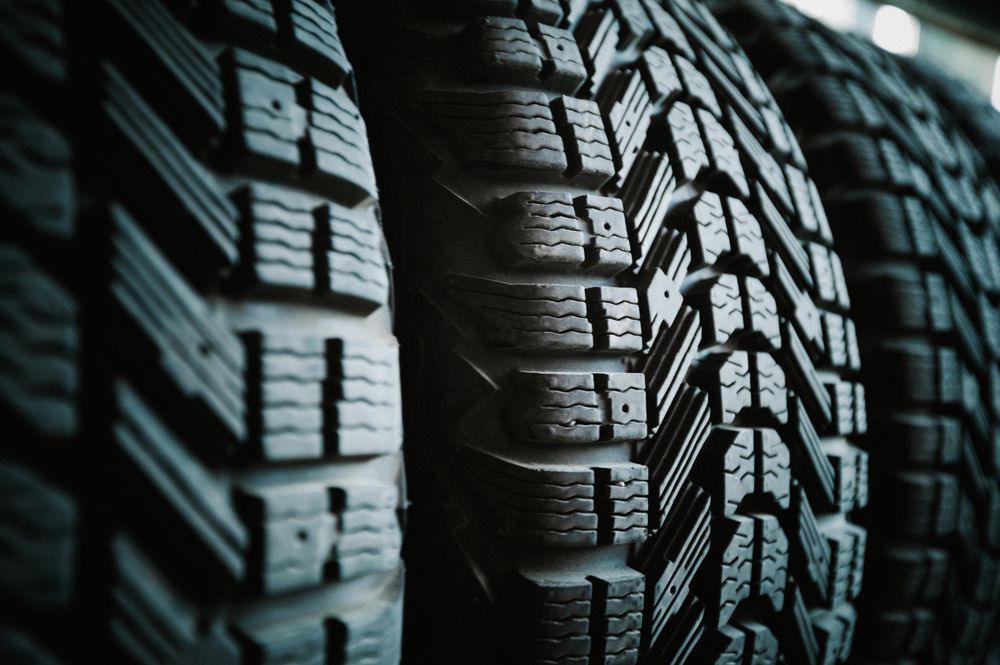
- Some sizes may offer fewer brands or tread choices.
- Switching to standard tyres may require another puncture solution.
A lower purchase price does not always mean better value, so consider the wider cost of ownership.
Does Ride Comfort Feel Different with Standard Tyres?
Reinforced sidewalls can also change how a tyre responds to bumps and uneven surfaces. Some drivers notice a firmer ride because the sidewall flexes less than a conventional tyre. The difference depends on suspension design, tyre profile, wheel size and the individual product.
When comparing ride characteristics, consider:
- Whether your current tyres feel harsh on uneven surfaces.
- Whether comfort or puncture mobility matters more to you.
- Whether the suspension was designed around the original tyre specification.
Modern tyre designs vary considerably, so it is better to compare specific products than assume all tyres of one type feel the same.
Are Standard Tyres a Practical Alternative?
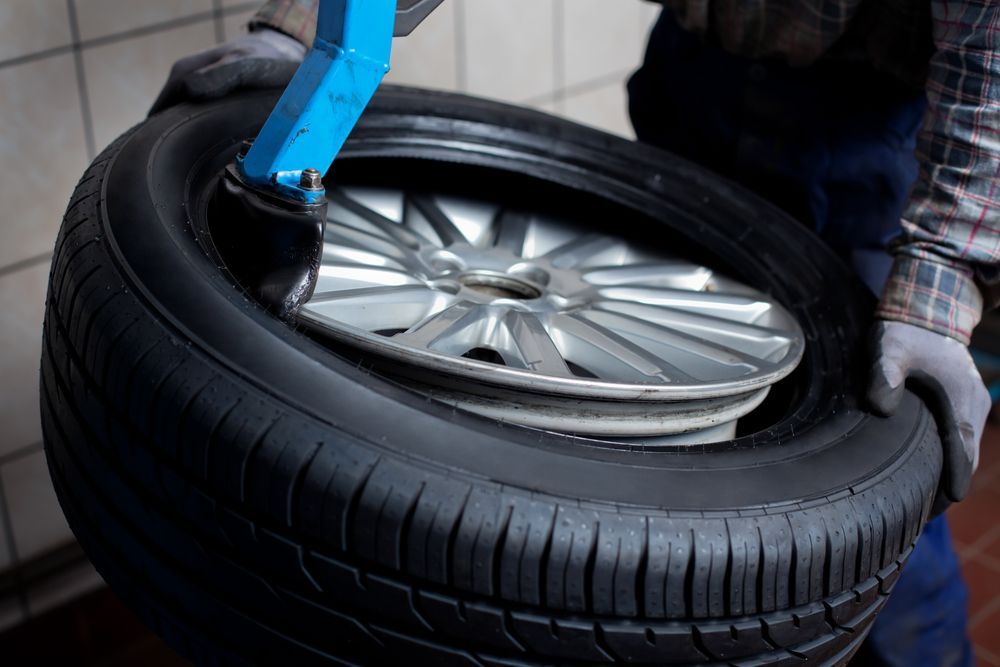
For drivers comparing tyres on the Central Coast, standard tyres may appeal when comfort, price or product choice are priorities. Conventional tyres are available across many sizes, tread patterns and brands, making it easier to choose an option suited to the vehicle. However, changing tyre type should be considered carefully rather than treated as a simple swap.
Before making the change, check:
- The replacement meets the required size, load rating and speed rating.
- The vehicle manufacturer does not specify requirements that make the change unsuitable.
- You have a practical puncture plan if there is no spare wheel.
Switching can suit some vehicles, but the decision should account for both compatibility and the loss of run flat capability.
What Happens If Your Vehicle Has No Spare Wheel?
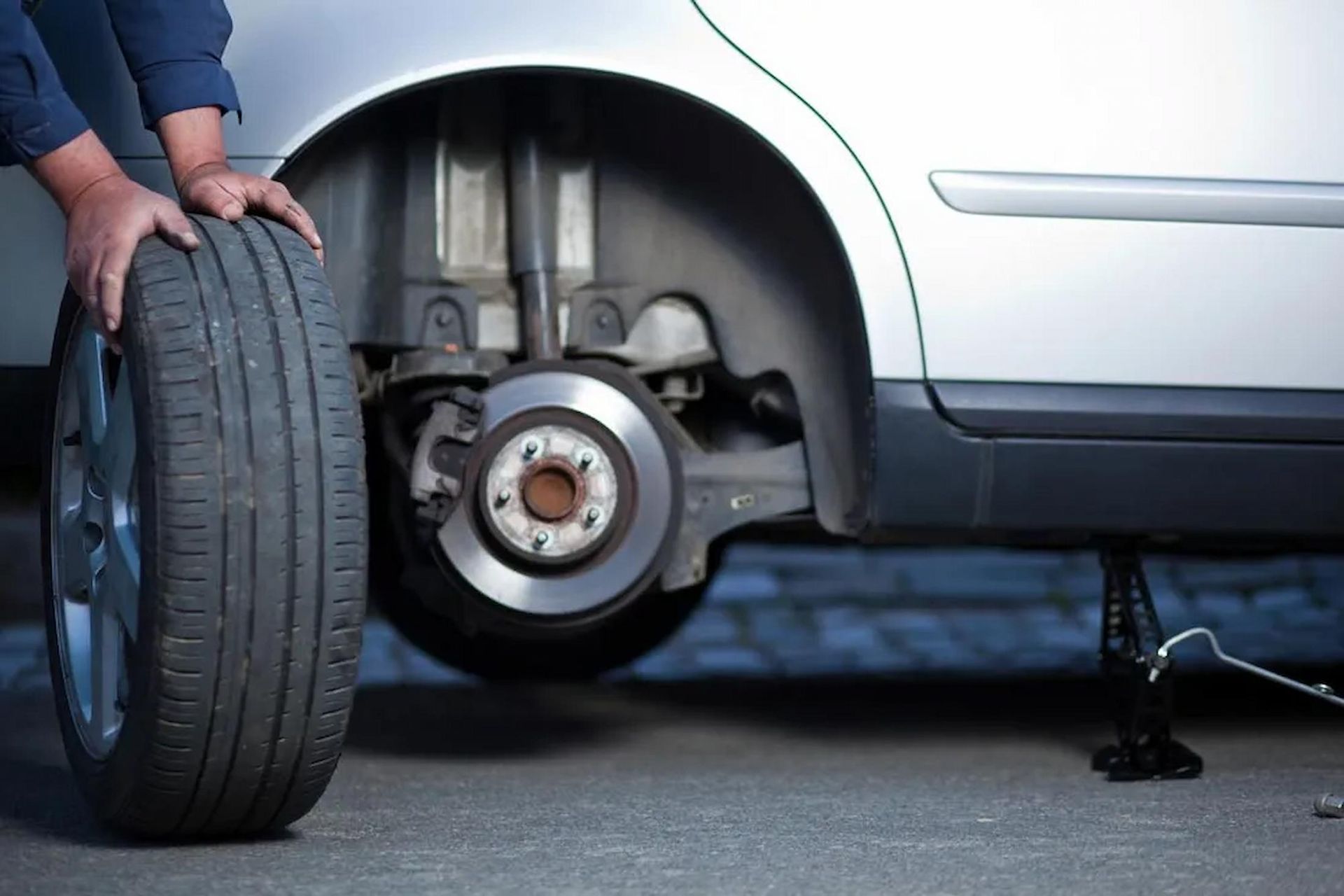
Many vehicles fitted with run flat technology do not include a conventional spare wheel. Moving to standard tyres can therefore leave the vehicle without an immediate way to continue after a serious puncture. That does not rule out switching, but roadside preparedness becomes more important.
Possible alternatives include:
- Carrying an approved puncture repair kit where suitable.
- Adding a compatible spare wheel if the vehicle allows it.
- Using roadside assistance when a puncture cannot be managed safely.
The key is to plan for this before changing tyre types rather than discovering the limitation after a puncture.
When Does Replacing Like-For-Like Make Sense?
Drivers who value temporary mobility after a puncture may prefer to stay with the tyre technology fitted from the factory. Keeping the original setup can also simplify the decision because the vehicle’s pressure monitoring system, suspension and lack of a spare may have been designed around that configuration.
Replacing like-for-like can make sense when:
- You regularly drive where stopping immediately may be difficult.
- You are satisfied with the current ride quality.
- Maintaining the original tyre configuration is a priority.
This approach preserves the vehicle’s existing puncture strategy, although the higher replacement cost may still influence your decision.
Know What to Check Before Your Next Replacement
Understanding what to do when you need to replace your tyres starts with checking the specifications already fitted to the vehicle. Tyre size, load rating, speed rating and manufacturer recommendations all matter whether you stay with the current tyre type or explore an alternative.
Before purchasing replacements, check:
- The full tyre specification printed on the sidewall.
- Whether all four tyres have worn evenly.
- What puncture solution the vehicle provides if you change tyre type.
Reviewing these details first can prevent compatibility problems and make suitable replacements easier to compare.
Choosing The Right Option for Your Driving
There is no single tyre type that suits every driver. Some people value puncture mobility, while others place more importance on comfort, price or product choice. Vehicle specifications should remain central to the decision, especially if you are considering changing from the tyre type fitted from the factory.
We at Rite Price Tyres can help drivers on the Central Coast compare standard and run flat tyres based on vehicle requirements and everyday driving needs. If your tyres are approaching replacement or you are unsure whether switching types is suitable, contact us to discuss your options and arrange an inspection.